




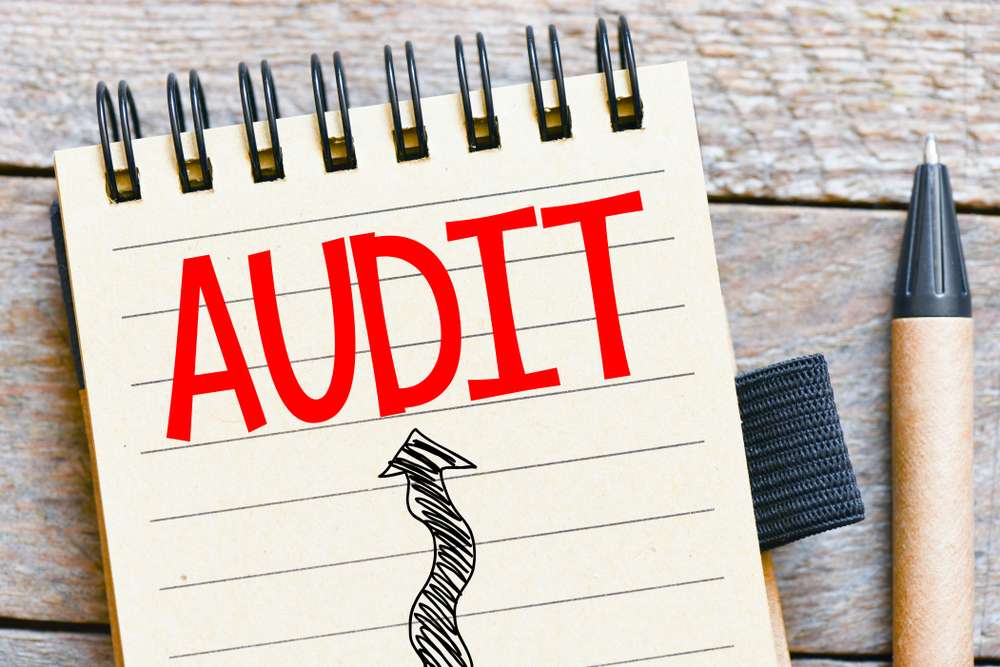
Understanding and avoiding common triggers for a Canada Revenue Agency (CRA) audit is crucial for individuals and businesses in Canada. This article aims to provide comprehensive insights into the top CRA audit triggers and offers practical advice to stay compliant and avoid unnecessary penalties.
- Accurate Income Reporting
One of the primary triggers for a CRA audit is the inaccurate reporting of income. It’s imperative to report all income, including that from T-slips (like T4 slips from employers), as the CRA receives copies of these slips. Inaccuracies, whether intentional or not, can lead to audits. To mitigate this risk, maintain detailed records of all income, including cash payments, and ensure they are accurately reported on tax returns.
- Consistency in Credits and Deductions
The CRA pays close attention to consistency in reporting credits and deductions. Sudden or significant changes can trigger suspicion and lead to an audit. Whether you’re self-employed, a small business owner, or an individual taxpayer, it’s vital to keep detailed records and provide accurate documentation to support your claims.
- Reasonable Expense Claims
Claiming unusually high expenses compared to industry norms can attract CRA scrutiny. Ensure that your business expense claims are reasonable, justified, and backed by proper documentation. The CRA often compares expenses claimed to those in previous years and within the same industry. Keep accurate records and receipts for all business expenses.
- Responding to CRA Requests
Prompt and complete responses to CRA requests for information are essential. Ignoring or inadequately responding to these requests can escalate to an audit. Cooperation and provision of necessary documentation can alleviate CRA concerns.
- Home Office Deductions
For those claiming home office expenses, it’s crucial to ensure these deductions are reasonable and comply with CRA guidelines. Excessive claims, especially for large portions of a home, can trigger an audit. Deduct only dedicated business spaces and avoid including personal areas.
- Vehicle Expense Claims
When using a vehicle for business, accurately claim vehicle expenses and maintain detailed records of business-related use. Exaggerated claims without proper documentation can raise red flags.
- Business and Rental Property Losses
Repeatedly reporting losses from business or rental properties can attract CRA attention. It’s important to show a reasonable expectation of profit and provide well-documented records to demonstrate that your activities are aimed at making a profit.
- Industry Averages and Specific Risks
The CRA compares tax returns against industry averages. Significant deviations can lead to audits. Additionally, certain industries, like those with high cash transactions, are more prone to audits. Ensure compliance with industry-specific regulations.
- Prior Audit History
A history of previous audits or issues can increase the likelihood of future audits. Address any past audit issues and ensure accurate reporting in subsequent tax returns to minimize this risk.
Tips for Avoiding CRA Audit Triggers
- Diligent Record-Keeping: Maintain detailed records of all transactions and supporting documents.
- Timely Tax Filing: File taxes on time to establish a track record of compliance.
- Professional Guidance: Consult with tax advisors or accountants for expert advice on tax laws and compliance.
Conclusion
Understanding and addressing these CRA audit triggers is key to maintaining good standing and avoiding audits. While an audit doesn’t necessarily imply wrongdoing, it’s crucial to address any identified errors promptly to minimize penalties or interest charges. For professional guidance, especially during a CRA audit, consider consulting with experienced tax experts.
Share This Story
Recent Posts
 How to Prepare a T5 Slip in Canada: A Complete CRA Filing Guideline
 How to Plan Your Estate in Canada: Simple Steps for Families
 Death Taxes Canada: How RRSPs, RRIFs & Final Returns Are Taxed
 Canadian End of Year Payroll Checklist: Your Ultimate Guide
 Tax Strategies for New Work Permit Holders in Canada