




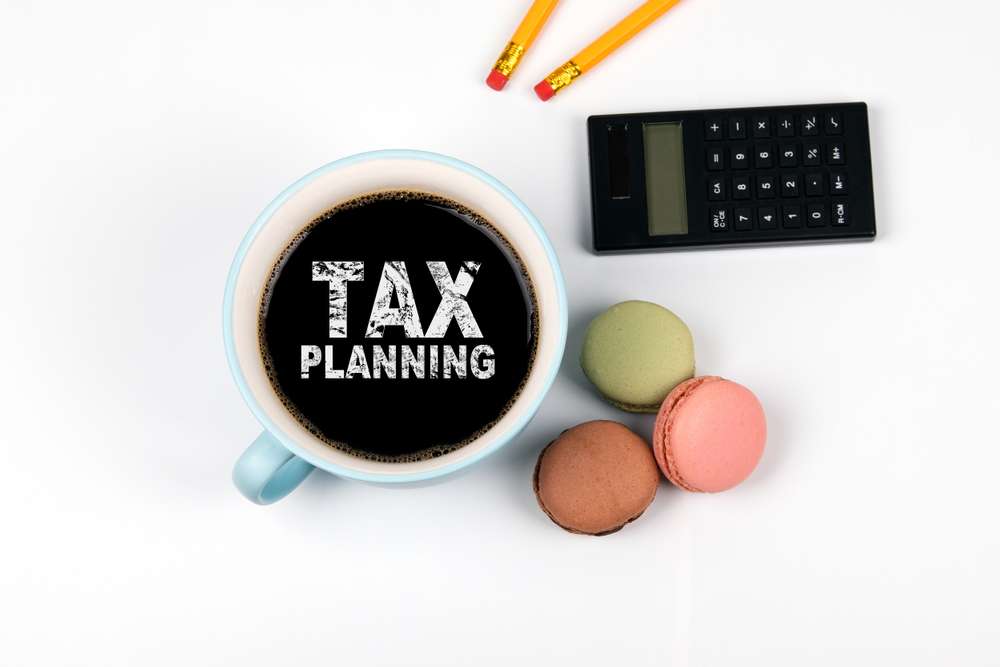
As an owner-manager of a Canadian Controlled Private Corporation (CCPC), there are several tax planning strategies you can employ to optimize your personal and corporate taxes in Canada. It’s important to approach these strategies with caution due to the complexity of tax laws and the potential impact on your tax situation.
Here are some strategies for owner-managers or shareholder-managers of closely-held CCPCs in Canada:
Year-End Bonuses Consider issuing a year-end bonus. This can be declared before the corporation’s fiscal year-end and paid up to 180 days later, allowing the corporation to deduct it from its income. This strategy can defer personal tax for the owner-manager and increase RRSP contribution room.
Optimizing Salary-Dividend Mix You have the option to draw dividends and, if you work for the corporation, a salary. Understanding the differences between these two forms of income is crucial. An optimal mix should consider payroll taxes, CPP contributions, and personal tax brackets to minimize tax liability.
Family Income Splitting Income splitting can be achieved through the payment of dividends to family members who work in the business, subject to TOSI rules. Paying a reasonable salary to family members involved in the business can also be beneficial, especially if they have lower personal income. This salary is deductible from the corporation’s income and contributes to CPP and RRSP.
Tax-Free Amounts from the Corporation Certain amounts can be paid to yourself tax-free, such as rent if the company uses a home office, capital dividends from the capital dividend account, or a return of share capital initially invested in the corporation.
Other End-of-Year Tax Planning There are additional tax planning options for owner-managers, which can be found in other resources or by consulting with a tax adviser.
Share This Story
Recent Posts
 How to Prepare a T5 Slip in Canada: A Complete CRA Filing Guideline
 How to Plan Your Estate in Canada: Simple Steps for Families
 Death Taxes Canada: How RRSPs, RRIFs & Final Returns Are Taxed
 Canadian End of Year Payroll Checklist: Your Ultimate Guide
 Tax Strategies for New Work Permit Holders in Canada