




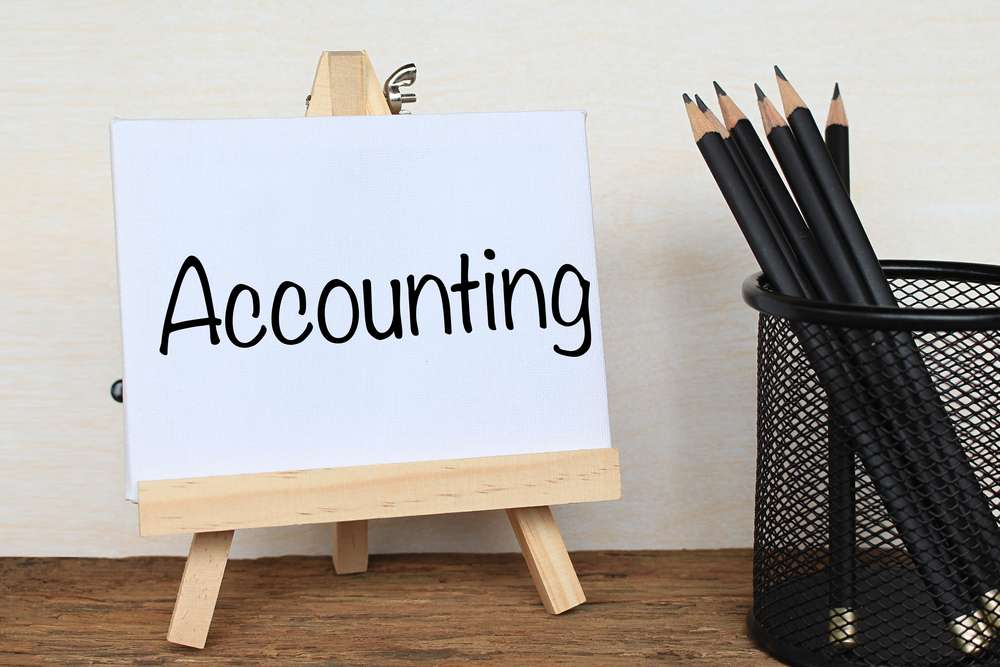
Every entrepreneur understands that four core elements drive and sustain a successful business: Marketing, Innovation, Management, and Accounting. However, from my tenure as a seasoned accountant in Ontario, I’ve observed that many business proprietors often undervalue or neglect the accounting facet, even though it’s crucial for success.
Here are the “Top 5 Accounting Strategies” based on my extensive experience in Ontario:
- Choose the Ideal Accounting Software The foundation of accurate financial records lies in the selection of the right accounting software. It’s essential to invest time in choosing a software package that aligns with your business needs. For smaller enterprises, I suggest QuickBooks Pro or Simply Accounting due to their user-friendliness and comprehensive reporting capabilities. I personally use QuickBooks Pro for my firm, setting a benchmark for Ontario accountants.
- Employ a Competent Bookkeeper The adage “garbage in, garbage out” is apt for accounting. Incorrect data entry can render your financial information useless. Hence, the second strategy emphasizes hiring a skilled bookkeeper who can accurately input data and produce insightful reports. When considering a bookkeeper, inquire about their experience, familiarity with popular accounting software, and their proficiency in generating financial reports and handling payroll.
- Regularly Draft Budgets Consistently preparing budgets with your accountant is the third strategy. Budgets, which are projections of future revenues and expenses, aid in cash-flow management, resource allocation, and setting revenue and profit targets. It’s also vital to compare actual results with budgeted figures to gauge performance and identify areas of improvement.
- Analyze Financial Statements The fourth strategy is to periodically review your financial statements, preferably with a Chartered Accountant from Ontario, for a detailed analysis. These statements offer insights into your company’s financial health. While intuition can provide a sense of your company’s financial standing, the actual figures might offer a different perspective. Key areas to focus on include sales trends, gross margins, expense categories, cash reserves, accounts receivable, and inventory turnover.
- Implement a Tax Reduction Plan Taxes, often a significant expense, shouldn’t be overlooked. Collaborate with a chartered accountant in Ontario to devise a comprehensive tax strategy. This plan should encompass owner compensation methods, income splitting, tax deductions, holding company utilization, car allowances, tax depreciation, capital gains exemptions, and revenue deferral
Share This Story
Recent Posts
 How to Prepare a T5 Slip in Canada: A Complete CRA Filing Guideline
 How to Plan Your Estate in Canada: Simple Steps for Families
 Death Taxes Canada: How RRSPs, RRIFs & Final Returns Are Taxed
 Canadian End of Year Payroll Checklist: Your Ultimate Guide
 Tax Strategies for New Work Permit Holders in Canada