





Insights from a The greater Toronto area Business Strategy Expert
Are you in the process of launching a new venture and drafting your business strategy? Or perhaps you’re revising your existing business model?
Crafting a business strategy can be daunting, particularly when time is of the essence. It’s a task that many entrepreneurs find tedious and overwhelming. Yet, despite its perceived dullness, a well-articulated business strategy is often a prerequisite for securing funding from banks, investors, or other external parties. In a pinch, many turn to online templates, which, while convenient, come with their own set of limitations. These templates may be tailored for specific purposes such as bank loans, internal management, or investor presentations, and may not suit your unique needs.
What Constitutes a Business Strategy and How Do You Compose One?
Here are several pointers to refine your business strategy and achieve superior outcomes:
Project a Robust Cash Flow For those approaching banks, it’s crucial to demonstrate a robust cash flow capable of covering loan repayments. Established businesses can leverage historical cash flows, but startups may find cash flow forecasting more challenging. A comprehensive set of financial projections is essential to illustrate detailed cash inflows and outflows.
Divide Your Strategy into Segments A business strategy should do more than outline your plans; it should be well-structured. Distinguish between overarching strategies and detailed action plans. The overarching strategy should succinctly state your primary objectives, while detailed sub-plans should delve into the specifics.
Eliminate Non-Essential Information Focus on the core objectives of your business strategy. A concise plan that addresses the essentials is more effective than one bogged down with irrelevant details. For business loans, aim for a 20-30 page document centered on cash flow and profitability. For immigration purposes, adhere to the specific guidelines provided by authorities, with a focus on job creation and societal economic impact.
Seek and Embrace Feedback Avoid basing your business strategy on unfounded assumptions. Have peers review your plan to ensure realism and practicality. Feedback is a critical part of the process, preparing you for the scrutiny of clients and investors.
Remain Adaptable Research is a continuous part of business strategy development. Stay flexible and open to new ways to achieve a competitive edge.
Prioritize Your Well-being Your health directly impacts your efficiency. Maintain a balanced diet and adequate sleep to ensure focus and minimize errors.
Consider Professional Assistance If you’re new to business strategy development, areas like SWOT analysis or financial forecasting can be daunting. Professional guidance can be invaluable, especially when high stakes are involved, such as securing loans or investor immigration programs.
A well-crafted business strategy requires time, creativity, energy, and diligence. It should accurately forecast market challenges and provide viable solutions. This is why businesses often spend months developing a strategy that reflects their business model, internal operations, and financial ambitions.
Share This Story
Recent Posts
 How to Prepare a T5 Slip in Canada: A Complete CRA Filing Guideline
 How to Plan Your Estate in Canada: Simple Steps for Families
 Death Taxes Canada: How RRSPs, RRIFs & Final Returns Are Taxed
 Canadian End of Year Payroll Checklist: Your Ultimate Guide
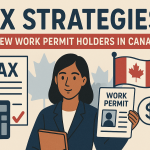 Tax Strategies for New Work Permit Holders in Canada