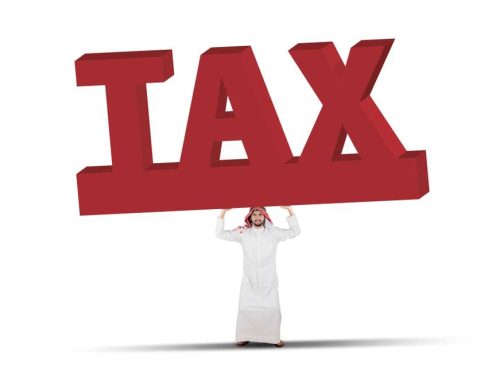





Navigating the realm of taxation can be intricate, especially without prior knowledge or training. In Canada, individuals often turn to professionals for assistance, choosing between tax consultants and tax accountants, especially in cities like Ontario.
Regulatory Landscape in Canada
In Canada, independent accounting professionals are bound by the regulations of the province they operate in. Additionally, each of the ten provinces has its own organization of Chartered Professional Accountants (CPAs). For instance, CPA Ontario oversees the accounting profession within its jurisdiction.
Delineating Tax Consultants and Tax Accountants
CPA Ontario’s bylaws specify that tax counseling and advice are regulated activities. For these services, a CPA firm must be duly registered. It’s crucial to understand that a CPA firm with a legitimate business license differs from an individual accountant holding a CPA qualification. Notably, these bylaws prohibit the mere mechanical preparation of tax returns.
Mechanical preparation refers to the process where tax consultants complete necessary tax forms based on client-provided information and then forward them to the relevant authorities.
Many individuals venture into the tax consultation domain as preparers. With adequate training, they can handle diverse tax situations. Many of these consultants excel in error-free tax return preparation, relying solely on the data given by their clients.
However, for specialized tax advice, intricate tax issues, or when facing potential challenges with the Canada Revenue Agency (CRA), it’s advisable to consult a tax attorney or a qualified tax accountant in Ontario.
Share This Story
Recent Posts
 How to Prepare a T5 Slip in Canada: A Complete CRA Filing Guideline
 How to Plan Your Estate in Canada: Simple Steps for Families
 Death Taxes Canada: How RRSPs, RRIFs & Final Returns Are Taxed
 Canadian End of Year Payroll Checklist: Your Ultimate Guide
 Tax Strategies for New Work Permit Holders in Canada