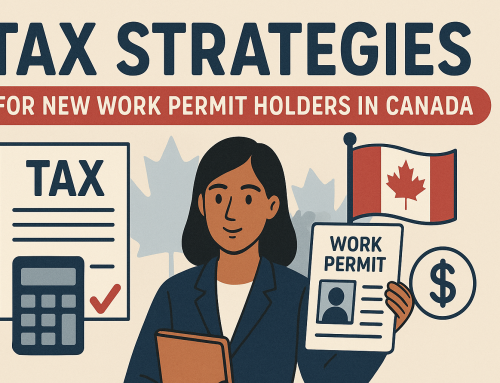





If you’re a non-resident in Canada on a temporary job assignment, it’s crucial to be aware of the recent changes in Canadian tax rules. The Canadian Federal Government has introduced new tax regulations that could impact your earnings.
Previously, as a non-resident employee in Canada working for a non-Canadian employer, Canadian payroll taxes were mandatorily deducted from your salary. This often posed a significant challenge for both employers and employees. To bypass these deductions, you and your employer could opt for a Regulation 102 Waiver with the Canada Revenue Agency (CRA). However, the slow response time of the Agency made this process cumbersome. The alternative was to file a non-resident tax return with the CRA to reclaim the deducted payroll taxes.
However, the 2015 Federal Budget brought forth proposed changes. Now, non-resident employees in Canada working for non-Canadian employers might not be subjected to Canadian payroll taxes if they meet the following criteria:
- They are residents of a country that shares a tax treaty with Canada (for instance, the United States).
- Their earnings from employment in Canada are below $10,000, in line with the relevant tax treaty.
- Their stay in Canada is under 90 days.
For non-resident employees who qualify for this exemption, their employers must complete a specific form with the CRA. If you’re exempted from the Canadian payroll taxes, there’s no need to file a Canadian tax return.
Pro Tip: Before accepting a job offer in Canada, it’s wise to consult with an accountant to determine if you’re eligible for exemption from Canadian payroll taxes. For a deeper understanding of payroll and withholding taxes, consider exploring the topic of non-resident withholding tax, specifically section 217.
Share This Story
Recent Posts
 How to Prepare a T5 Slip in Canada: A Complete CRA Filing Guideline
 How to Plan Your Estate in Canada: Simple Steps for Families
 Death Taxes Canada: How RRSPs, RRIFs & Final Returns Are Taxed
 Canadian End of Year Payroll Checklist: Your Ultimate Guide
 Tax Strategies for New Work Permit Holders in Canada