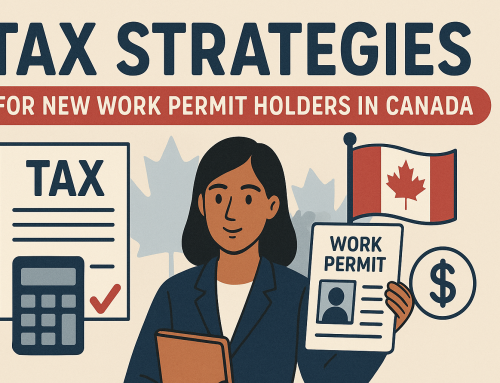





Welcome to Canada, a country that levies taxes on the global income of its residents. As you embark on this new chapter, it’s crucial to understand that residency for tax purposes is distinct from your immigration status. The moment you establish significant residential ties with Canada, you’re considered a resident for tax purposes for that portion of the year.
Understanding Tax Residency and Worldwide Income
Tax residency in Canada is not synonymous with immigration residency. You could be a landed immigrant without having established significant residential ties, or vice versa. Once you do become a tax resident, Canada taxes your worldwide income from that point until year’s end. Prior to residency, only income earned within Canada is taxed.
Strategies to Optimize Taxation for Newcomers
- Maximize Income Before Residency: If you’re moving from a country with lower tax rates, it’s advantageous to earn as much as possible before establishing residency in Canada.
- Document Your Travels: Keep a detailed travel log. This can help you strategically plan your residency start date to benefit from Canada’s marginal tax rates.
- Assess Capital Gains and Losses: Before relocating, review your investments. It may be beneficial to realize any losses in your current country of residence.
- Healthcare Considerations: Applying for a health card can establish significant residential ties. If your move isn’t immediate, you might want to delay applying for health coverage.
- Moving Expenses: Understand the implications of moving expenses, especially if your new employer in Canada is covering these costs. Some reimbursements may be non-taxable.
- Retirement and Pension Plans: Consult with a tax professional about transferring foreign retirement plans to Canadian equivalents, like RRSPs, and understand the tax implications.
- Stock Options: If you have stock options from foreign employment, consider the tax consequences before exercising them upon becoming a Canadian resident.
- Foreign Investment Reporting: Prepare for the reporting requirements for foreign investments to ensure compliance with Canadian tax laws.
Planning for Tax Returns as a Newcomer
If you anticipate earning substantial foreign income even after moving to Canada, remember that this income will be taxed as part of your worldwide income. Tax treaties may offer relief from double taxation. For countries without income taxes, like some Middle Eastern nations, planning becomes even more crucial.
Share This Story
Recent Posts
 How to Prepare a T5 Slip in Canada: A Complete CRA Filing Guideline
 How to Plan Your Estate in Canada: Simple Steps for Families
 Death Taxes Canada: How RRSPs, RRIFs & Final Returns Are Taxed
 Canadian End of Year Payroll Checklist: Your Ultimate Guide
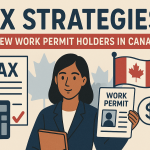 Tax Strategies for New Work Permit Holders in Canada