



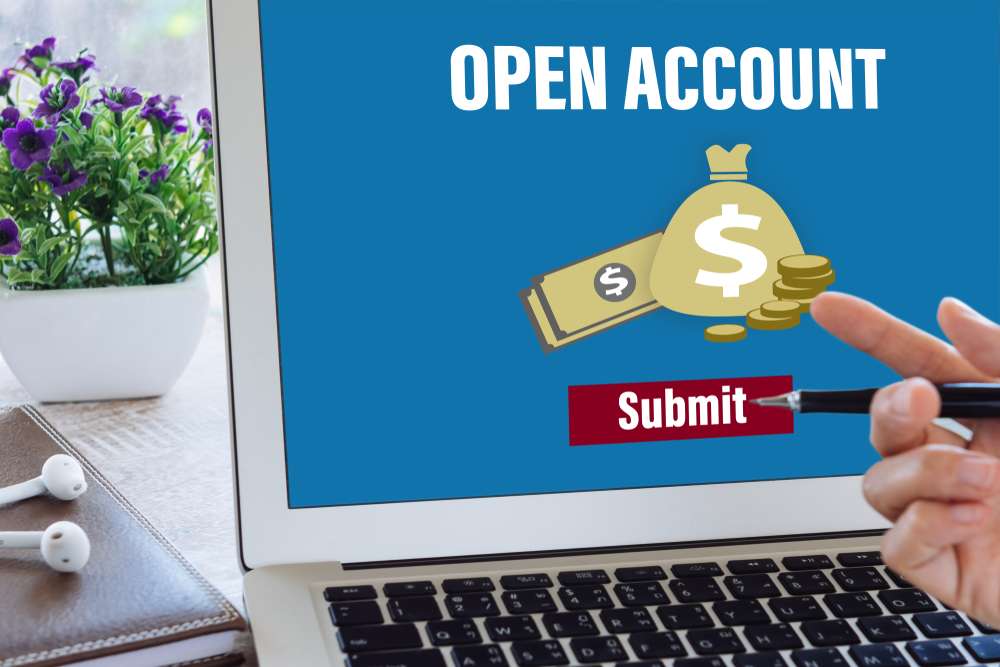
In the 2022 Budget, a new initiative named the Tax-Free First Home Savings Account (FHSA) was unveiled. This program, set to kick off in 2023, is designed to assist potential first-time homebuyers. Here’s a breakdown of its features:
- Contribution Limits: Individuals can contribute up to $40,000 over their lifetime to the FHSA. There’s an annual cap of $8,000 for contributions.
- Tax Benefits: Contributions to the FHSA are tax-deductible. Moreover, when you withdraw funds (including any investment income) to buy your first home, you won’t be taxed.
- Unused Contributions: If you don’t max out your contributions in a given year, you can carry forward the unused amount. For instance, if you contribute $5,000 in 2023, you can contribute $11,000 in 2024 (the regular $8,000 plus the unused $3,000 from the previous year).
- Important Considerations:
- Carry-forward amounts start accumulating only after you open an FHSA account.
- It’s advantageous for individuals aged 18 or older, planning to buy a home within 15 years of opening the FHSA, to start their account early to benefit from the carry-forward amounts.
- Both the FHSA and the Home Buyers’ Plan (HBP) can be accessed for the same qualifying home. Initially, there was a restriction against using both for the same home purchase, but this was later lifted.
- To open an FHSA, you must be at least 18 and a first-time homebuyer. This means neither you nor your spouse/common-law partner should have owned a home that was your primary residence in the year before opening the account or in the four preceding years.
- The government anticipates that Canadians will be able to start their FHSAs sometime after March 31, 2023. Regardless of the exact date, the full $8,000 annual limit can be contributed in 2023.
- FHSA vs. HBP:
- It’s generally advisable to contribute to the FHSA before the HBP. While withdrawals from both are tax-free, only the HBP requires repayments.
- If you’ve maxed out your FHSA contributions and still have savings, consider contributing to an RRSP, especially if you don’t have enough for a full HBP withdrawal.
- HBP Overview:
- The HBP allows eligible individuals to withdraw up to $35,000 tax-free from their RRSP to buy their first home.
- Funds withdrawn must be repaid within 15 years, starting from the second year after enrolling in the HBP. These repayments don’t qualify for tax deductions.
- FHSA Overview:
- There’s no cap on withdrawal amounts, which vary based on returns.
- Withdrawn funds don’t need to be repaid.
- With a lifetime contribution limit of $40,000 and an annual cap of $8,000, it takes a minimum of 5 years to reach the full contribution limit. This positions the FHSA as a more long-term savings tool.
Share This Story
Recent Posts
 How to Prepare a T5 Slip in Canada: A Complete CRA Filing Guideline
 How to Plan Your Estate in Canada: Simple Steps for Families
 Death Taxes Canada: How RRSPs, RRIFs & Final Returns Are Taxed
 Canadian End of Year Payroll Checklist: Your Ultimate Guide
 Tax Strategies for New Work Permit Holders in Canada