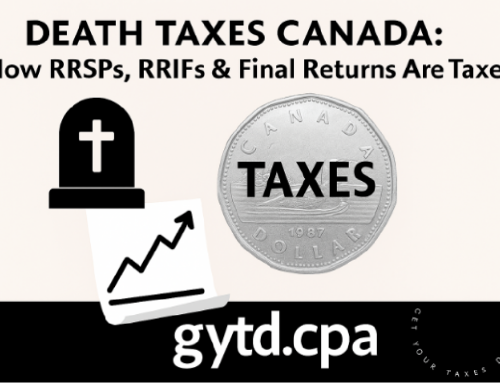





Understanding Terminal Tax Returns in Canada
Death doesn’t signify the end of everything, especially when it comes to taxes. The demise of an individual can introduce new tax liabilities that weren’t applicable during their lifetime. This can further complicate matters for grieving families.
In this piece, we’ll delve into the tax obligations following a taxpayer’s death, the repercussions, and the choices available to the bereaved families.
Tax Filing Post-Death
Upon a person’s death, a terminal or final tax return, known as the “terminal return,” must be filed. This responsibility falls on the legal representatives who handle the deceased’s estate, encompassing both assets and liabilities. The estate’s assets cover any outstanding amounts, including those owed to the Canada Revenue Agency (CRA). Once all dues are cleared, the remaining assets are distributed to the beneficiaries.
Who Should File the Terminal Return?
The deceased’s legal representative, be it an executor or estate administrator, is tasked with filing the terminal tax return. They must also notify the CRA and Service Canada about the death and furnish the official death certificate to halt any ongoing benefits or credits.
Income to be Declared in the Terminal Return
The terminal return mirrors a standard tax return to a degree. It requires the declaration of the deceased’s entire income, encompassing salary, business earnings, investments, rentals, and pensions, from the start of the year until their passing.
Tax Implications Triggered by Death
Canadian tax regulations stipulate that taxpayers are considered to have sold all their assets at their market value just before their death. This rule can lead to the inclusion of additional income in the terminal return, which wouldn’t have been the case if the taxpayer were still alive. Any capital gains or losses from this deemed sale are incorporated into the terminal return. This can pose significant tax and financial challenges for the estate’s executor or administrator.
However, there are exceptions. If a spouse or common-law partner inherits these assets, they are transferred without any tax implications for either party. This tax-exempt transfer is termed the “ITA 70(6) automatic rollover.” The inheriting spouse can choose to opt out of this provision on a per-asset basis.
Filing Deadlines
- For deaths between January 1st and October 31st: File by April 30th of the subsequent year.
- For deaths between November 1st and December 31st: File within 6 months from the date of death.
Why is the Final Return Crucial?
Before beneficiaries receive their inheritance, the estate must clear all tax dues and other liabilities. The deceased’s legal representative requires a clearance certificate for this, which is issued upon receiving a notice of assessment (NOA) from the CRA, confirming no outstanding tax obligations.
Rights or Things Return
Sometimes, the deceased might have pending “rights” or “things,” like unpaid dividends or salaries. These can either be included in the terminal return or in a separate “rights or things return.” The latter can offer tax advantages, such as lower tax rates or the ability to claim certain credits in both returns.
Special Provisions for Deceased Returns
- Credits: Some credits can be fully claimed in both the terminal and rights or things returns.
- Split Credits: Some credits need to be divided between the two returns.
- Capital Losses: In the year of death, capital losses can offset other incomes in the terminal return.
- Charitable Donations: The usual 75% net income limitation doesn’t apply in the year of death.
- Medical Expenses: Medical expenses paid within the last 24 months before death can be claimed.
Tax Planning Tips
- It’s advisable to have a will and estate plan while alive to simplify asset transfers.
- Engaging an estate lawyer from the beginning can help in the smooth execution of the estate.
- For personalized tax advice, consider consulting a tax professional from Source Accounting Professional Corporation.
Share This Story
Recent Posts
 How to Prepare a T5 Slip in Canada: A Complete CRA Filing Guideline
 How to Plan Your Estate in Canada: Simple Steps for Families
 Death Taxes Canada: How RRSPs, RRIFs & Final Returns Are Taxed
 Canadian End of Year Payroll Checklist: Your Ultimate Guide
 Tax Strategies for New Work Permit Holders in Canada