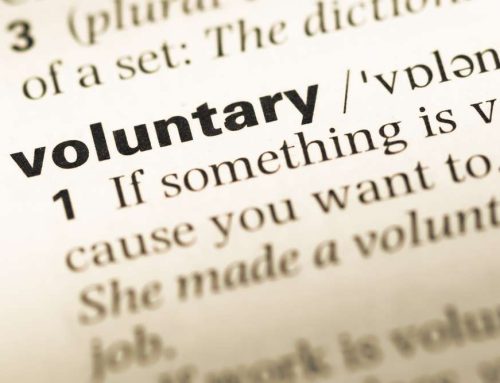





As the year draws to a close, many Canadians are gearing up to file their tax returns. Before you consult your accountant, it’s wise to be prepared. Remember, tax planning isn’t just a once-a-year task but a continuous process.
Wondering how to optimize your tax strategy? Here are some key deductions, credits, and strategies to consider:
- Income Timing: Think about deferring certain incomes, like bonuses, especially if you anticipate a lower income next year. This also applies to capital gains.
- Childcare Costs: If you’ve paid for childcare to enable you to work or study, you can claim up to $8,000 for children under 7 and up to $5,000 for those aged 7 to 16.
- Income Splitting: Some incomes, like pension, can be split. If your partner is in a lower tax bracket, this might be beneficial.
- Canada Pension Plan (CPP): Consider splitting CPP payments with your spouse. Also, decide when to start receiving CPP payments, which can be between ages 60 to 70.
- Relocation Expenses: If you’ve moved for work, business, or education, you might be able to deduct the associated costs.
- Union/Professional Fees: Deduct membership dues for trade unions or professional boards, including certain insurance premiums.
- Work-Related Expenses: Deduct expenses related to your job, especially if they weren’t reimbursed.
- Home Office Deductions: If you use a part of your home exclusively for business, you might qualify for deductions.
- Vehicle Costs: If you use a vehicle for work, you can claim related expenses like fuel and maintenance.
- Medical Bills: Claim medical expenses for yourself, your partner, or dependents. The person with the lower income should typically make the claim.
- Student Loan Interest: You can claim a tax credit for interest on certain student loans.
- Tuition Fee Transfer: If your child is in post-secondary education and can’t claim the full tuition credit, they might transfer up to $5,000 to you.
- RRSP and TFSA: Both are crucial for tax and retirement planning. RRSP contributions are tax-deductible, while TFSA earnings are tax-free upon withdrawal.
- Charitable Contributions: Donations to registered Canadian charities can be claimed as tax credits.
- Review Past Credits: Check previous returns for any unclaimed credits or deductions.
In Conclusion:
The above suggestions aren’t exhaustive and might not apply to everyone. However, leveraging these strategies can lead to significant tax savings. It’s also wise to consult with your accountant ahead of tax season. The team at GYTD in Ontario is always ready to assist with your tax planning needs.
Share This Story
Recent Posts
 How to Prepare a T5 Slip in Canada: A Complete CRA Filing Guideline
 How to Plan Your Estate in Canada: Simple Steps for Families
 Death Taxes Canada: How RRSPs, RRIFs & Final Returns Are Taxed
 Canadian End of Year Payroll Checklist: Your Ultimate Guide
 Tax Strategies for New Work Permit Holders in Canada