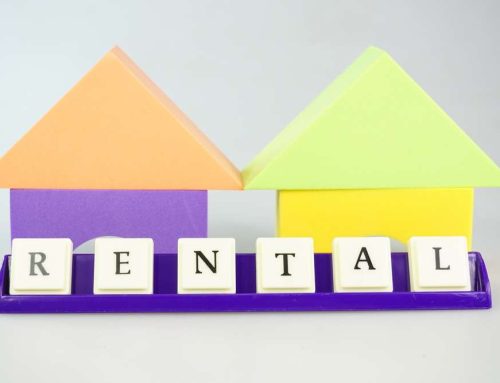





If you’re contemplating downsizing, you might be torn between renting a property or purchasing one. The decision to rent or buy when moving from a larger home to a smaller space, like an apartment or condo, can be challenging. Both financial and emotional aspects play a role in this decision.
A Real-life Scenario: Consider Jerome and Janet, a couple nearing retirement. They wish to move to a smaller apartment but are unsure whether to rent or buy. Their existing home has a market value of $1.0 million. After accounting for moving costs, real estate commissions, and other associated expenses, they’d be left with $900,000. They intend to invest this amount.
The investments are projected to yield a monthly post-tax income of $5,500. If they opt to rent, this income would easily cover their monthly rent of $3,000. Conversely, if they decide to buy a condo with the proceeds from their home sale, they’d incur monthly expenses like maintenance, utilities, property taxes, and insurance, amounting to $3,500.
Which is the More Financially Sound Choice? For Jerome and Janet, renting seems to be the more cash-efficient option. After deducting their rent, they’d still have a surplus of $2,500 from their investment returns, essentially allowing them to live rent-free. However, property ownership might offer better long-term returns in certain scenarios.
Assuming the condo appreciates at 6% annually over a decade, a condo bought for $900,000 would be worth slightly more than $1.6 million in ten years. This translates to a profit of over $700,000 in a decade. And since it’s their primary residence, the profit would be tax-exempt.
Final Thoughts: Ultimately, the decision to rent or buy hinges on your financial goals. If you aim to live without the burden of rent, selling your home and investing the proceeds might be the way to go. But if you’re eyeing a substantial profit from a property sale in the future, purchasing might be the better choice.
Share This Story
Recent Posts
 How to Prepare a T5 Slip in Canada: A Complete CRA Filing Guideline
 How to Plan Your Estate in Canada: Simple Steps for Families
 Death Taxes Canada: How RRSPs, RRIFs & Final Returns Are Taxed
 Canadian End of Year Payroll Checklist: Your Ultimate Guide
 Tax Strategies for New Work Permit Holders in Canada