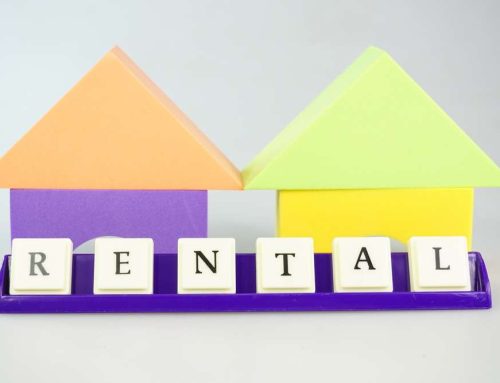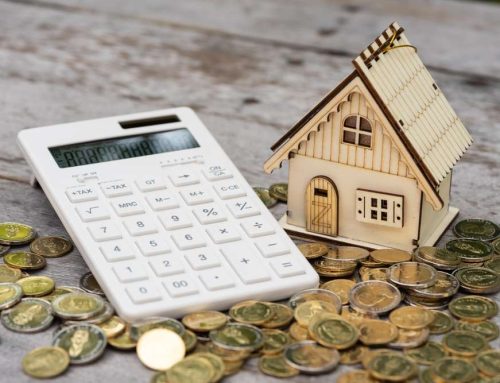





If you’re a senior citizen or qualify for the disability tax credit and are considering renovating your home to enhance its accessibility, there’s a tax strategy you should be aware of.
Tax Strategy Overview: In 2015, the federal government announced the introduction of the Home Accessibility Tax Credit, which took effect in 2016. This non-refundable credit was designed to offer financial support to seniors and those qualifying for the disability tax credit who incur home renovation expenses. Furthermore, this credit extends to their relatives as well.
The tax credit allows you to save 15% on up to $10,000 of renovation expenses annually, provided these renovations aim to improve the accessibility and functionality of your home. Moreover, expenses related to renovations that minimize potential hazards in and around your home are also eligible. It’s essential to note that the Home Accessibility Tax credit is applicable to expenses incurred post-2015. Therefore, if you’re contemplating renovations, it might be prudent to postpone them until 2016 to benefit from this credit.
Interestingly, in specific scenarios, a single renovation expense might make you eligible for both the medical expense credit and the Home Accessibility Tax Credit. In such cases, you can claim both credits. However, expenses related to routine maintenance, improvements not linked to accessibility, and household appliances are excluded. For a comprehensive understanding of the home renovations tax credit, you can refer to the Healthy Homes Renovation tax credit.
Key Takeaway: If you’re planning to undertake renovations, consider delaying them until 2016 to maximize the benefits of the Home Accessibility Tax Credit.
Share This Story
Recent Posts
 How to Prepare a T5 Slip in Canada: A Complete CRA Filing Guideline
 How to Plan Your Estate in Canada: Simple Steps for Families
 Death Taxes Canada: How RRSPs, RRIFs & Final Returns Are Taxed
 Canadian End of Year Payroll Checklist: Your Ultimate Guide
 Tax Strategies for New Work Permit Holders in Canada