



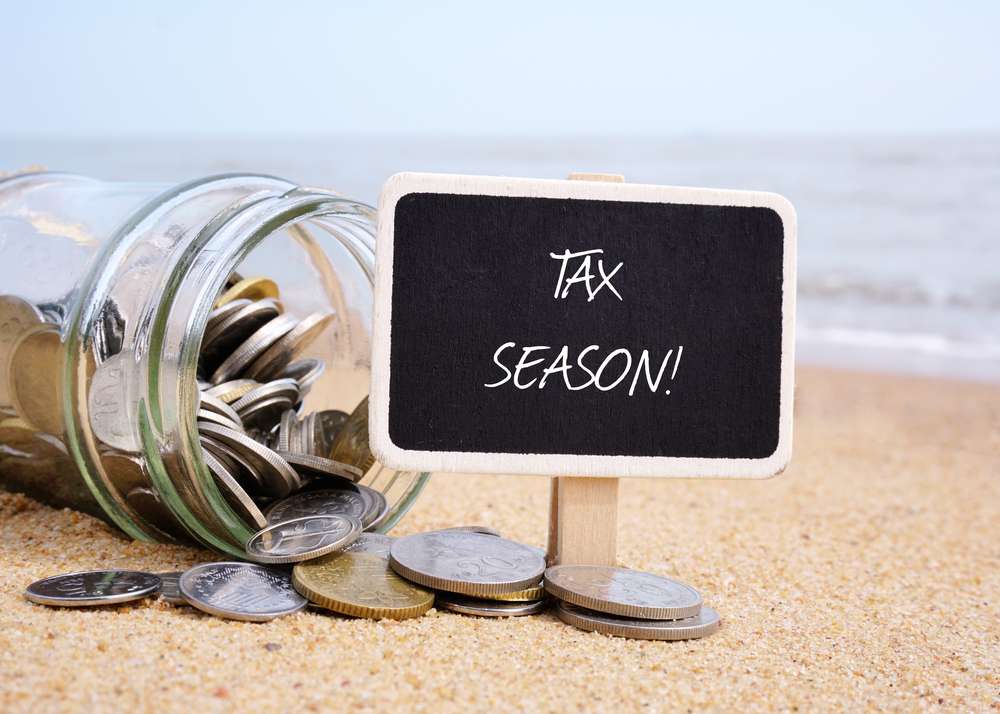
Do you find yourself scrambling during tax season, trying to gather all your receipts? The accuracy and organization of your tax return depend on how well you prepare for it, whether you’re filing it on your own or with the help of a professional. Here’s a guide to help you get organized and simplify the tax season:
- Medical Expenses:
- Compile receipts for medical costs, including eyeglasses, prescription medications, and medical insurance premiums.
- If you receive medical benefits from your employer, review your pay-stubs for any medical premiums deducted. These can qualify for the medical expense tax credit.
- RRSP Slips:
- If you have an RRSP, gather your contribution slips for the current tax year. Financial institutions typically issue these slips by the end of February for the preceding year. Remember, RRSP contributions can be deducted from your income.
- Income Slips:
- Common income slips include:
- T4 slip: Reflects your salary and payroll taxes deducted during the year.
- T5 slip: Indicates interest and dividends from your investments.
- T3 slip: Shows distributions from mutual funds you own.
- For those who are self-employed, ensure you have a record of all sales and expenses for the year to report on your tax return.
- Property Tax Assessment for Rental Properties:
- If you own a rental property, remember that property taxes are deductible from rental income. Your local property tax department usually sends an Annual Statement by February detailing the previous year’s assessed and paid property taxes. If your bank handles your property taxes, you can request this statement from them.
- Home Office Expenses:
- If you operate from a home office, gather receipts related to property taxes, mortgage interest, utilities, repairs, insurance, and condo fees. The deductible percentage of these expenses is based on the proportion of your home used as an office. For instance, if your home spans 2,000 square feet and your office is 200 square feet, you can deduct 10% of the expenses.
Key Takeaway:
Start the year right by collecting all your receipts and organizing the necessary paperwork for your tax return as they come in. If you miss out on any information, you might not receive your full tax refund.
Share This Story
Recent Posts
 How to Prepare a T5 Slip in Canada: A Complete CRA Filing Guideline
 How to Plan Your Estate in Canada: Simple Steps for Families
 Death Taxes Canada: How RRSPs, RRIFs & Final Returns Are Taxed
 Canadian End of Year Payroll Checklist: Your Ultimate Guide
 Tax Strategies for New Work Permit Holders in Canada