



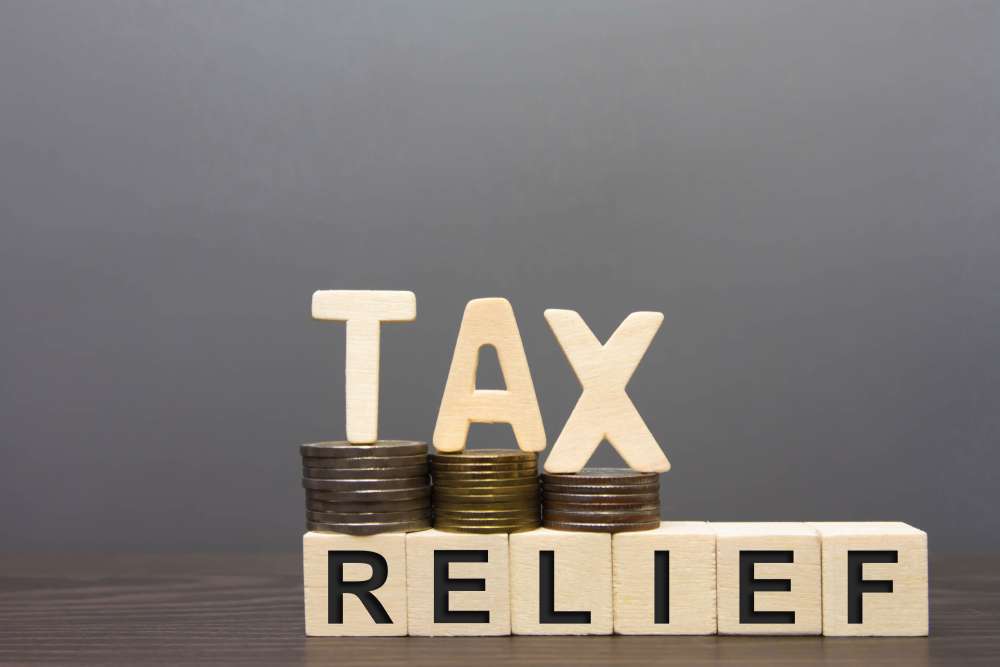
Canada imposes income tax on its residents based on their worldwide income. This taxation applies from the moment an individual establishes residency in Canada, which can occur through immigration or employment. Conversely, when a person leaves Canada and ceases to be a resident, they may be subject to what is known as “departure tax.”
Short-term residents, those who reside in Canada temporarily, often for work, are granted certain tax reliefs. These reliefs are not extended to other tax residents. Specifically, short-term residents are those who have been Canadian residents for no more than 60 months within the 120 months preceding their departure.
The tax reliefs available to short-term residents include:
- Exemption from Departure Tax: Short-term residents are not taxed on the deemed disposition of personal assets they owned before moving to Canada. Additionally, any property acquired through inheritance or bequest during their residency is exempt from departure tax.
- Relief from Foreign Pension Plan Rules: Normally, Canadian residents must adhere to strict rules regarding participation in foreign pension plans. However, short-term residents who are in Canada due to employment can continue contributing to their former employer’s foreign pension plan for the first five years of their residency.
It’s crucial for anyone moving to or leaving Canada, whether they are newcomers, short-term residents, emigrants, or non-residents, to navigate the complex tax laws and regulations effectively. Professional tax preparation services or qualified tax advisors can provide invaluable assistance in understanding and meeting Canadian income tax obligations.
Share This Story
Recent Posts
 How to Prepare a T5 Slip in Canada: A Complete CRA Filing Guideline
 How to Plan Your Estate in Canada: Simple Steps for Families
 Death Taxes Canada: How RRSPs, RRIFs & Final Returns Are Taxed
 Canadian End of Year Payroll Checklist: Your Ultimate Guide
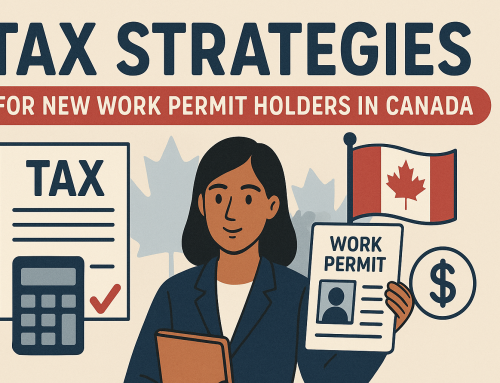
 Tax Strategies for New Work Permit Holders in Canada