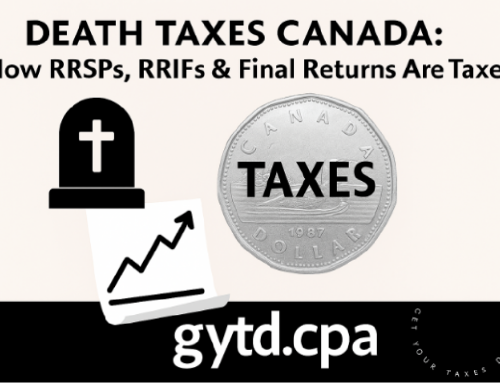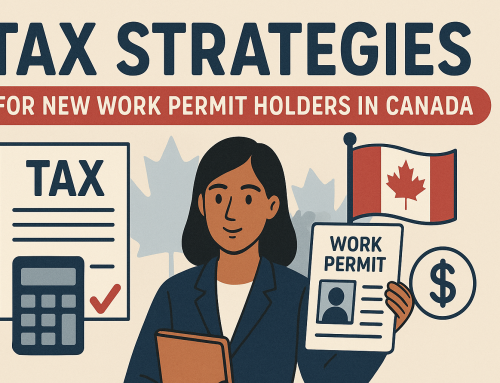





If you’ve recently moved to Canada or know someone who has, it’s essential to familiarize yourself with the Canadian tax system and the various deductions and credits you might be eligible for.
Understanding Residency Status
When you move to Canada and establish significant residential connections, you become a resident for income tax purposes. This means you’re responsible for paying Canadian income taxes on your global earnings. Key residential ties include:
- Owning or renting a home in Canada.
- Having a spouse in Canada.
- Having dependents in Canada, like children.
Filing Your Tax Return
As a Canadian resident, it’s mandatory to file a tax return if:
- You owe taxes.
- You want to claim a refund.
Even if you didn’t earn any income during the year, you should still file a tax return to continue receiving the benefits and credits you’re eligible for. Remember, the deadline for personal tax returns is April 30 of the subsequent year.
Key Sections in Your Tax Return
- Identification: Ensure you fill out the entire identification section on the first page of your tax return. This information helps in processing your return and calculating your GST/HST credit, as well as any entitlements under the Canada child benefit.
- Date of Entry: Mention the date you became a tax resident of Canada.
- Partner’s Details: Provide your partner’s net global income for the year.
Available Benefits
- Canada Child Benefit: If you have children, you can claim the Canada Child Benefit. This is a monthly, tax-free payment to eligible families to assist with child-rearing costs. The amount varies based on the child’s age and the family’s annual income.
- GST/HST Credit: This is a tax-free quarterly payment for low-income individuals and families to help offset the GST/HST they pay. The credit amount depends on the number of children registered for benefits and the family’s net income.
Possible Deductions
- RRSP Contributions: Deduct contributions made to a Canadian registered retirement savings plan, up to certain limits.
- Pension Income Splitting: If you and your partner were Canadian residents at the end of the previous year, you might be eligible to split your pension income.
- Moving Expenses: Under specific conditions, such as moving to Canada for studies and receiving a taxable Canadian scholarship, you might be able to deduct moving expenses.
- Support Payments: If you’re making spousal or child support payments, you might be eligible for deductions.
- Other Deductions: These can include professional fees, employment-related expenses, and childcare costs.
If you’re new to Canada, ensure you take advantage of all the tax credits and deductions available to you.
Share This Story
Recent Posts
 How to Prepare a T5 Slip in Canada: A Complete CRA Filing Guideline
 How to Plan Your Estate in Canada: Simple Steps for Families
 Death Taxes Canada: How RRSPs, RRIFs & Final Returns Are Taxed
 Canadian End of Year Payroll Checklist: Your Ultimate Guide
 Tax Strategies for New Work Permit Holders in Canada