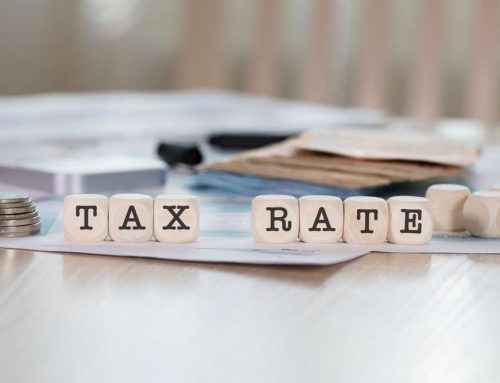





Contributing to a Registered Retirement Savings Plan (RRSP) is an effective strategy for growing your savings while deferring taxes on the income earned within the RRSP. If you miss contributing within the calendar year, you have a two-month grace period after year-end to contribute and still claim the deduction for that year.
The amount you should contribute to your RRSP is contingent on your individual tax strategy and circumstances. It’s crucial to understand that RRSP contributions don’t eliminate taxes but merely postpone them.
Determining Your RRSP Contribution Limit: Your RRSP contribution limit can be found on your previous year’s Notice of Assessment (T2208), or you can calculate it using the T1028 worksheet.
Early Withdrawals from RRSPs: Withdrawing from your RRSP before retirement attracts a withholding tax, which varies between 10% to 30% depending on the withdrawal amount. Such withdrawals also count as taxable income, potentially bumping you into a higher tax bracket and resulting in unexpected additional taxes.
Choosing Between TFSA and RRSP: Tax-Free Savings Accounts (TFSA) have annual contribution limits and do not allow for deductions from taxable income. Conversely, RRSP contributions can be deducted from your taxable income. Withdrawals from TFSAs are not taxable, unlike RRSP withdrawals, which are added to your taxable income. If you anticipate being in a lower tax bracket at retirement, an RRSP may be more beneficial; otherwise, consider a TFSA.
In-Kind Contributions to RRSPs: Contributing to your RRSP can reduce your taxable income, and hence your taxes, at your highest tax bracket rate. In situations where you need liquidity but don’t want to withdraw cash, the Canada Revenue Agency (CRA) allows in-kind contributions to RRSPs. Eligible assets for in-kind contributions include public corporation shares, GICs, corporate bonds, mutual funds, mortgages, life insurance, and precious metals or their certificates.
Withdrawing from RRSP Without Penalty: The Home Buyer’s Plan (HBP) and The Life Long Learning Plan (LLP) allow for penalty-free withdrawals from your RRSP, provided you adhere to their specific conditions and repayment timelines.
Minimizing Taxes Upon Death: To prevent a large tax bill from diminishing the value of your RRSP for your beneficiaries upon your death, consider wealth transfer strategies such as setting up trusts, designating beneficiaries, purchasing permanent life insurance, or gifting to adult children.
Borrowing to Invest in RRSP: Borrowing funds to invest in an RRSP does not afford you a deduction for the borrowing costs. It’s essential to weigh the opportunity costs and consult with a financial advisor to assess whether this strategy aligns with your tax situation.
Share This Story
Recent Posts
 How to Prepare a T5 Slip in Canada: A Complete CRA Filing Guideline
 How to Plan Your Estate in Canada: Simple Steps for Families
 Death Taxes Canada: How RRSPs, RRIFs & Final Returns Are Taxed
 Canadian End of Year Payroll Checklist: Your Ultimate Guide
 Tax Strategies for New Work Permit Holders in Canada