




In Canada, the tax system is based on self-reporting, requiring various entities to file appropriate tax returns. Individuals, trusts, and corporations each have distinct filing obligations and deadlines. For individuals, the tax year aligns with the calendar year, and tax returns must be filed by April 30th for employees or June 15th for those with business income. Trusts must file a T3 return within 90 days after the tax year, while corporations have six months post their fiscal year to file a T2 return.
Unfiled or incomplete tax returns are common issues across taxpayer categories. The Canada Revenue Agency (CRA) may demand filing or assess taxes arbitrarily, placing the burden of proof on the taxpayer. Late filing incurs a penalty of 5% of the balance owing plus 1% per month, up to 12 months. This penalty doubles for repeat offenders within three years. Interest on unpaid balances compounds, potentially leading to significant financial consequences.
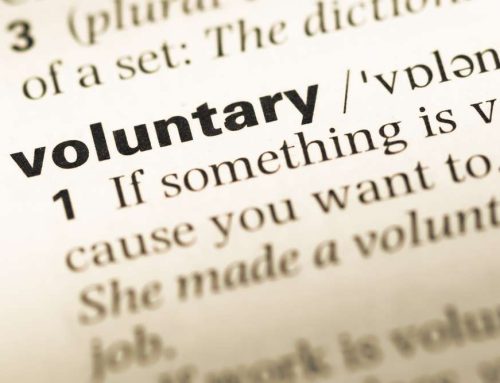
The CRA’s Voluntary Disclosure Program (VDP) offers a chance for taxpayers to rectify unfiled or incorrect returns with reduced penalties and no criminal prosecution. However, this disclosure must be voluntary, meaning the CRA should not have already contacted the taxpayer about the issue.
GYTD CPA advises that staying current with tax filings is crucial to avoid audits. Seeking the assistance of a Chartered Professional Accountant (CPA) specializing in tax matters can be invaluable in navigating these complex issues and ensuring compliance with tax laws.
Share This Story
Recent Posts
 How to Prepare a T5 Slip in Canada: A Complete CRA Filing Guideline
 How to Plan Your Estate in Canada: Simple Steps for Families
 Death Taxes Canada: How RRSPs, RRIFs & Final Returns Are Taxed
 Canadian End of Year Payroll Checklist: Your Ultimate Guide
 Tax Strategies for New Work Permit Holders in Canada