




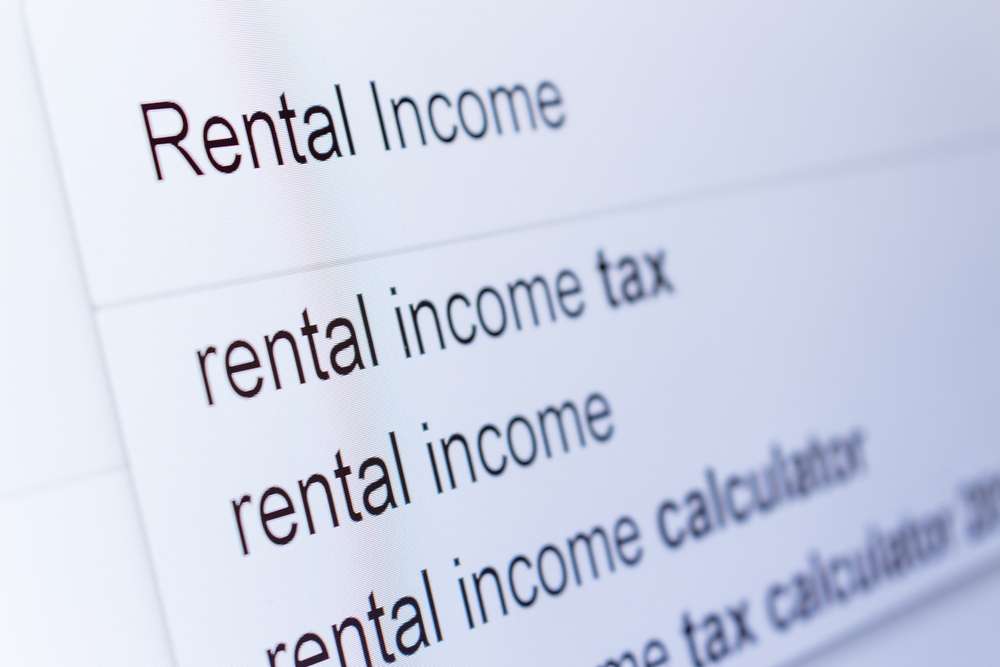
When you own or have the use of a property in Canada that you rent out, the income generated is known as rental income. This can come from various types of properties, such as apartments, houses, offices, or even shared spaces within a building. The tax treatment of this income varies depending on whether you are a resident or a non-resident of Canada.
For Canadian Residents:
Canadian residents are taxed on their global income, which includes rental income from properties both within and outside of Canada. To report rental income, residents must complete form T776, Statement of Real Estate Rentals, and submit it with their personal income tax return. Fortunately, a variety of expenses related to the rental property are deductible, including advertising, insurance, salaries and wages, management and administration fees, property taxes, repairs and maintenance (excluding capital expenditures), interest and bank charges, travel expenses, utilities, vehicle expenses, and other related costs. After deducting these expenses, the net rental income is taxed according to Canada’s marginal tax rates.
For Non-Residents of Canada:
Non-residents, on the other hand, are only taxed on income sourced within Canada, which includes rental income from Canadian properties. It’s crucial for non-residents, especially those who have recently emigrated from Canada, to inform their tenants or agents of their non-resident status to avoid any confusion regarding their tax obligations. In Canada, the payer of the rental income (tenant or agent) is required to withhold a 25% tax on the gross rental income and remit it to the Canada Revenue Agency (CRA) by the 15th of the following month. Failure to do so may result in penalties and interest charges.
Non-residents have two options when it comes to the taxation of rental income:
- 25% Tax on Gross Rental Income: Without filing a tax return, the 25% tax withheld by the payer is deemed the final tax liability for the non-resident, with no deductions permitted.
- Section 216 Tax Returns: Non-residents may choose to file a Section 216 election with the CRA, which allows them to deduct allowable expenses and pay tax on the net rental income. This election can potentially result in a refund if the tax on the net rental income is less than the withheld amount.
Reducing Withholding Tax:
Non-residents can file Form NR6 with the CRA to reduce the withholding tax rate to 25% of the net rental income, rather than the gross. Approval from the CRA is required before the payer can apply the reduced withholding rate. After approval, a Section 216 tax return must be filed by June 30th of the following year. If the return is not filed, the CRA may assess the withholding agent for the difference in tax between the gross and net rental income.
Late Section 216 Tax Returns:
It is possible to file a Section 216 tax return late, but there are restrictions. For instance, if an NR6 form was approved, the return must be filed by June 30th with no extensions. Additionally, if the CRA has reminded the taxpayer of their reporting obligations, failure to comply does not provide any relief.
Underused Housing Tax (UHT):
Starting January 1, 2022, ‘affected owners’ are subject to the Underused Housing Tax (UHT), which is 1% of the value of the residential properties they own. This tax must be filed and paid by April 30th of the year following the calendar year to which it applies.
Share This Story
Recent Posts
 How to Prepare a T5 Slip in Canada: A Complete CRA Filing Guideline
 How to Plan Your Estate in Canada: Simple Steps for Families
 Death Taxes Canada: How RRSPs, RRIFs & Final Returns Are Taxed
 Canadian End of Year Payroll Checklist: Your Ultimate Guide
 Tax Strategies for New Work Permit Holders in Canada