



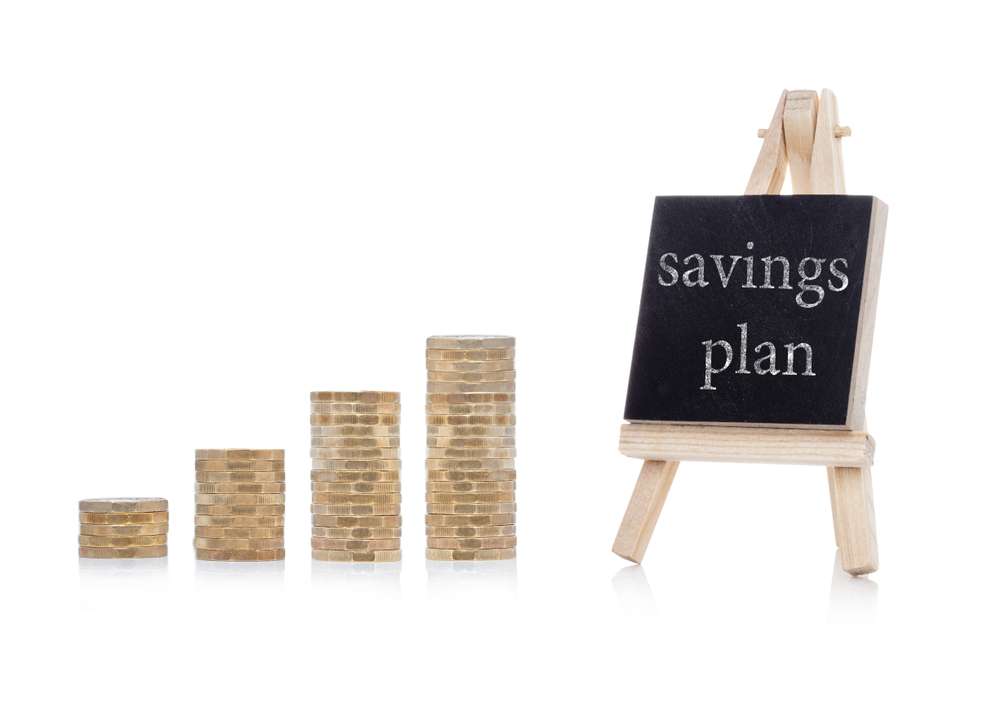
Maximizing Your Child’s Education Savings: A Comprehensive Guide to RESP Catch-Up
In today’s competitive world, preparing for your child’s education is more important than ever. Many parents find themselves in a situation where they need to catch up on saving for their child’s education. This is where the concept of RESP (Registered Education Savings Plan) catch-up comes into play. In this comprehensive guide, we’ll delve into the intricacies of RESP, its benefits, and how you can effectively catch up to ensure a bright academic future for your child.
Understanding RESP and Its Mechanism
An RESP is a government-sponsored savings plan designed to help parents in Canada save for their child’s post-secondary education. The beauty of an RESP lies in its simplicity and efficiency. Once you open an account, contributions can be made by anyone, including grandparents and friends. These contributions are then invested, offering potential growth over time. When the time comes for your child to attend college or university, they can withdraw these funds to cover their educational expenses.
The Advantages of Having an RESP
The primary advantage of an RESP is its tax-sheltered growth. Investment earnings within an RESP are not taxed, allowing your savings to grow more efficiently. Additionally, through the Canada Education Savings Grant (CESG), the government provides grants that augment your savings, further incentivizing the use of RESPs.
Navigating RESP Contribution Limits
Understanding the contribution limits is crucial for effective RESP catch-up. The annual maximum contribution limit is $2,500 per child, with the CESG adding 20% to your savings, up to $500 per year. If you haven’t maximized your contributions in previous years, the carry-forward option allows you to catch up, one year at a time, until your child turns 17. The lifetime grant and contribution limits are $7,200 and $50,000 per child, respectively.
Strategies for Maximizing RESP Grants
The ideal strategy involves starting early with annual contributions of $2,500. However, if you’ve delayed or been unable to contribute the maximum amount, the carry-forward option is your gateway to catching up on missed grants. Remember, the maximum grant available in a given year is $1,000, based on a $5,000 contribution.
Examples of Catch-Up Scenarios
- Starting at Age Nine: If you begin when your child is nine, contributing $4,500 annually until they turn 16 can secure the full $7,200 lifetime grant.
- Starting at Age Twelve: Opening an RESP when your child is 12 allows six years of contributions. By contributing $5,000 annually, you can receive $1,000 in grant money each year, totaling $6,000, slightly less than the lifetime grant limit.
Conclusion: The Power of Early Planning
An RESP is a potent tool for securing your child’s educational future. By leveraging the catch-up provision, you can compensate for lost time and potentially accelerate the growth of your child’s education fund. It’s crucial to review your RESP contributions before the end of each year to ensure you’re on track for the full CESG. If you find yourself falling short, consider making a catch-up contribution.
Share This Story
Recent Posts
 How to Prepare a T5 Slip in Canada: A Complete CRA Filing Guideline
 How to Plan Your Estate in Canada: Simple Steps for Families
 Death Taxes Canada: How RRSPs, RRIFs & Final Returns Are Taxed
 Canadian End of Year Payroll Checklist: Your Ultimate Guide
 Tax Strategies for New Work Permit Holders in Canada