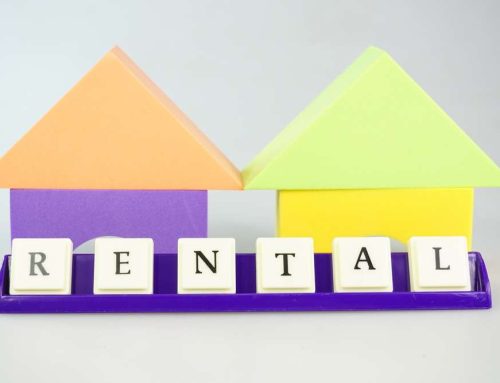





A Comprehensive Guide for Homeowners
As a homeowner in the bustling city of Toronto, it’s crucial to stay informed about the latest tax regulations, particularly the newly implemented Toronto Vacant Home Tax. This tax, introduced to address housing shortages, could significantly impact your financial planning if you own residential property in the city. Here’s an in-depth look at what this tax entails and how you can navigate its implications.
What is the Toronto Vacant Home Tax?
The Toronto Vacant Home Tax is a new initiative by the City of Toronto, aimed at increasing housing availability by discouraging the practice of leaving residential properties unoccupied. As a homeowner, you would have received a notification from the city, mandating the submission of a declaration form regarding the occupancy status of your property for the year 2022 by February 2, 2023.
How is the Tax Calculated?
The tax is calculated at 1% of the property’s Current Value Assessment. For example, if your property is valued at $1,000,000, the Vacant Home Tax would amount to $10,000 annually. This substantial sum highlights the importance of understanding the tax and its exemptions.
Exemptions from the Vacant Home Tax
Fortunately, there are several scenarios where homeowners can be exempt from this tax:
- Principal Residence: If the property serves as your principal residence, where you conduct your daily affairs, you are exempt.
- Permitted Occupant: If a family member or friend occupies the property as their principal residence, the tax does not apply.
- Rental Properties: Properties rented for at least 30 days at a time, with total occupancy exceeding six months in a year, are exempt.
- Special Circumstances: Situations like the death of a registered owner, ongoing repairs or renovations, the principal resident being in long-term care, transfer of legal ownership, occupancy for full-time employment outside the GTA, or a court order preventing occupancy, can also lead to exemptions.
Compliance and Penalties
Even if you qualify for an exemption, it’s mandatory to submit an annual declaration to the City of Toronto. Failure to comply can result in hefty fines ranging from $250 to $10,000. In extreme cases, non-compliance could lead to your property being deemed vacant and automatically subjected to the tax, calculated at 1% of its Current Value Assessment.
The Importance of Compliance
This tax serves as a reminder of the dynamic nature of real estate regulations and the need for homeowners to stay vigilant and informed. By understanding the nuances of the Toronto Vacant Home Tax and ensuring compliance, you can avoid unnecessary financial burdens and contribute to the city’s goal of increasing available housing.
Share This Story
Recent Posts
 How to Prepare a T5 Slip in Canada: A Complete CRA Filing Guideline
 How to Plan Your Estate in Canada: Simple Steps for Families
 Death Taxes Canada: How RRSPs, RRIFs & Final Returns Are Taxed
 Canadian End of Year Payroll Checklist: Your Ultimate Guide
 Tax Strategies for New Work Permit Holders in Canada