




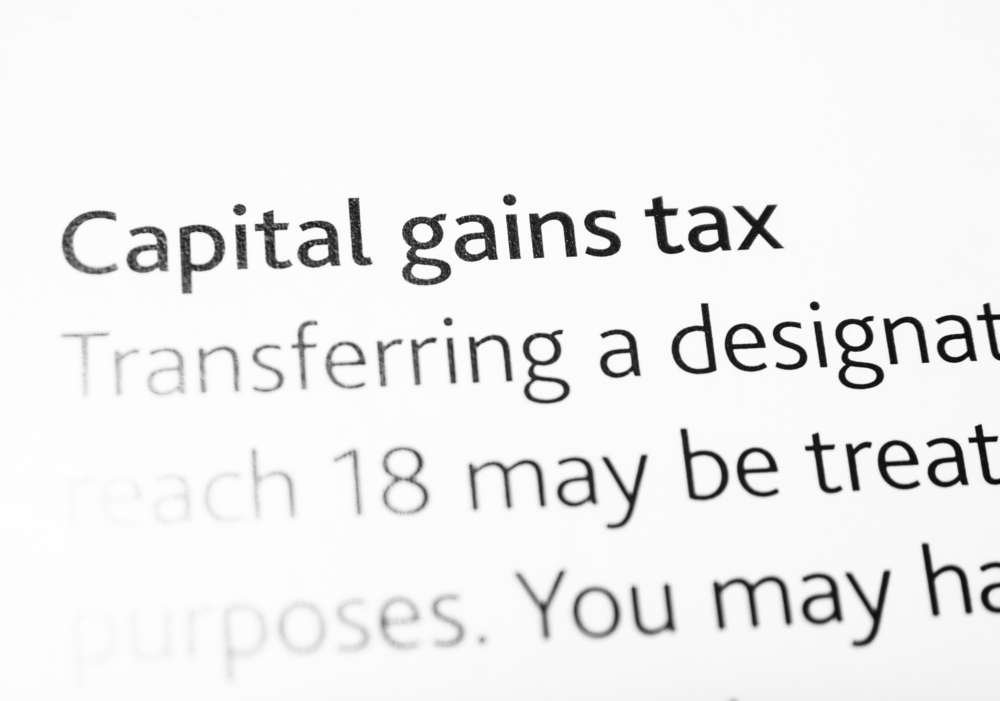
Understanding the intricacies of capital gains tax in Canada is essential for both individual investors and business owners. This comprehensive guide aims to demystify the complexities surrounding capital gains tax, offering valuable insights and strategies to optimize your tax position.
What is Capital Gains Tax?
Capital gains tax in Canada is levied on the profit made from selling your investments. This includes a wide range of assets such as stocks, bonds, real estate, and even certain business equipment. The tax rate is contingent on your income level and the type of investment, significantly impacting your financial outcomes.
Capital Gains and Losses: A Closer Look
Capital Gains: These are the profits earned from selling an asset above its purchase price. The common assets that generate capital gains include stocks, bonds, real estate, and business equipment.
Capital Losses: Conversely, capital losses occur when an asset is sold for less than its purchase price. These losses can offset capital gains, reducing your overall tax liability. However, they cannot be used to offset other types of income.
Realized vs. Unrealized Gains and Losses
- Realized Gains/Losses: These occur when you actually sell an investment.
- Unrealized Gains/Losses: These are potential profits or losses on investments you still hold.
When is Capital Gains Tax Paid?
Capital gains tax is typically paid when you sell an investment at a profit. However, certain situations, like emigration or changing the use of a property, can trigger a “deemed disposition,” leading to a capital gains tax event.
Calculating Capital Gains and Losses
To calculate capital gains or losses, you need to know the selling price, the original purchase cost (adjusted cost base), and any related expenses. In Canada, only 50% of your capital gain is taxable. The tax rate depends on your marginal tax rate, which varies based on your income and residence location.
Exemptions and Deductions
- Principal Residence Exemption: This allows you to avoid capital gains tax on the sale of your primary residence.
- Lifetime Capital Gains Exemption: Applicable to certain assets like small business corporation shares, this exemption can significantly reduce your tax liability.
Strategies to Minimize Capital Gains Tax
- Long-Term Investment: Holding investments for more than a year can lead to lower tax rates.
- Tax-Loss Harvesting: Selling investments at a loss to offset gains.
- Utilizing Tax-Advantaged Accounts: RRSPs and TFSAs can shelter your investments from taxes.
- Donating Investments: Donating assets like shares can lead to tax benefits.
Common Mistakes to Avoid
- Not reporting capital gains on your tax return.
- Failing to maintain accurate investment records.
- Overlooking the benefits of tax-advantaged accounts.
Conclusion
Navigating capital gains tax in Canada requires a thorough understanding of various factors, including the types of gains, calculation methods, and available exemptions. By employing strategic planning and seeking professional advice, investors can effectively manage their tax liabilities and enhance their investment returns.
Share This Story
Recent Posts
 How to Prepare a T5 Slip in Canada: A Complete CRA Filing Guideline
 How to Plan Your Estate in Canada: Simple Steps for Families
 Death Taxes Canada: How RRSPs, RRIFs & Final Returns Are Taxed
 Canadian End of Year Payroll Checklist: Your Ultimate Guide
 Tax Strategies for New Work Permit Holders in Canada