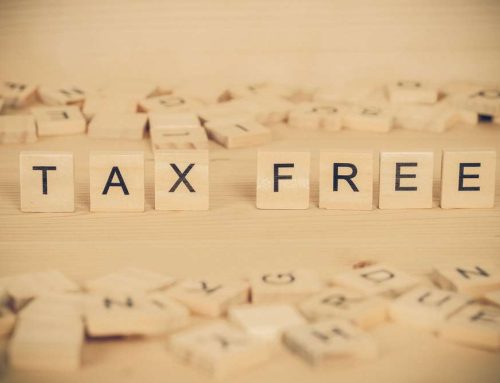





- The 2016 Budget introduced several modifications to the Tuition, Education, and Textbook Tax Credits that medical residents and fellows should be aware of, especially when preparing their 2017 tax returns:
- Federal Education and Textbook Tax Credits: Starting from January 1, 2017, the federal education and textbook tax credits, which were previously set at $465/month for full-time studies and $140/month for part-time studies in 2016, have been discontinued. However, this does not affect the tuition tax credit that can be claimed based on the actual tuition and exam fees paid. Any unused education and textbook credit amounts from before 2017 can still be claimed in 2017 and the following years. Furthermore, the tax exemption for scholarship, fellowship, and bursary income, which depended on the eligibility for the education tax credit or used terms defined for the education tax credit, will remain unaffected by its removal.
- Ontario Tuition and Education Tax Credits: As of September 5, 2017, Ontario has abolished the tuition tax credit for tuition fees paid after this date and the education tax credit (which was $539/month for full-time and $161/month for part-time studies in 2016) for periods of enrollment post-September 2017. This also means that physicians will not be able to claim the LMCC/MCCQE Part 1 and 2, Family Medicine Final Exam, Royal College Specialty Exams, and other licensing exams. However, individuals who were residents of Ontario as of December 31, 2017, and have unclaimed tuition and education tax credits can still claim them in the upcoming years. Those who move to Ontario after December 31, 2017, will not be able to claim their accumulated tuition and education tax credits in the province
Share This Story
Recent Posts
 How to Prepare a T5 Slip in Canada: A Complete CRA Filing Guideline
 How to Plan Your Estate in Canada: Simple Steps for Families
 Death Taxes Canada: How RRSPs, RRIFs & Final Returns Are Taxed
 Canadian End of Year Payroll Checklist: Your Ultimate Guide
 Tax Strategies for New Work Permit Holders in Canada