



If you’ve recently sold your primary residence, understanding the principal residence exemption is crucial. Here’s a concise guide to the most frequently asked questions about this exemption:
Why is the Principal Residence Exemption Vital?
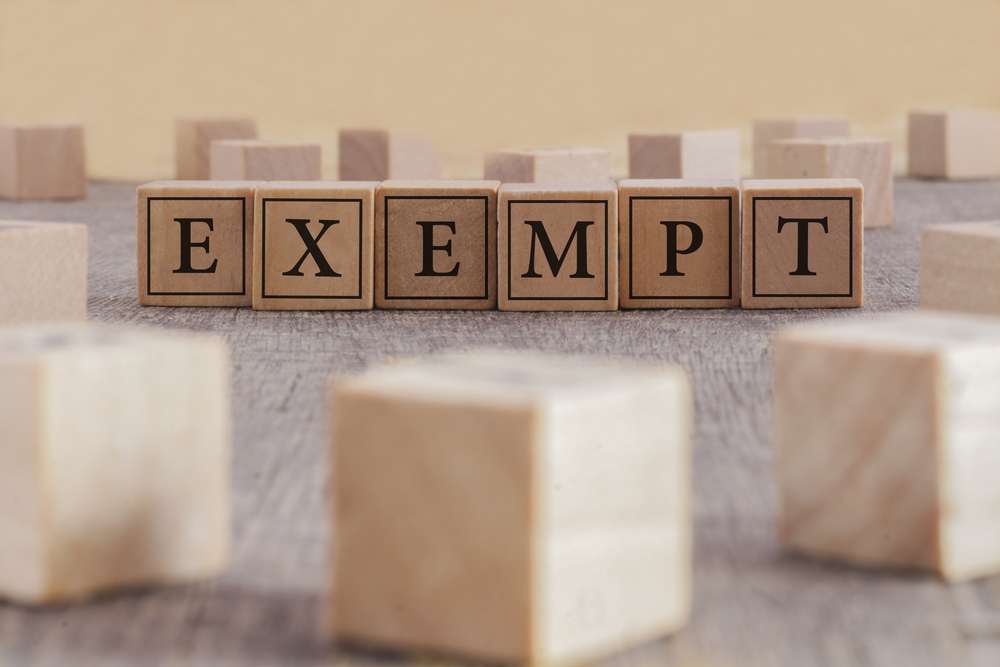
In Canada, the profit from selling your main home is entirely tax-exempt. A principal residence can be a house, condo, co-op, or even the adjoining land (up to 1.2 acres). For a property to qualify as a principal residence:
- You or your spouse should have lived in it.
- Only one principal residence can be claimed per family. So, if you’ve designated your main home as your principal residence and also own a cottage, the latter cannot be claimed as a principal residence.
- The exemption amount is determined by a specific formula: 1 + (number of years you lived in the home) divided by the total years you’ve owned it. For non-residents of Canada, there are unique rules for claiming this exemption.
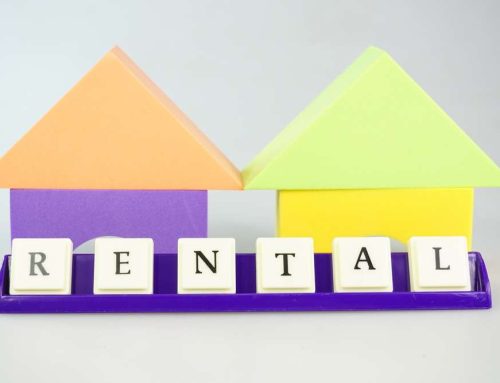
Can I Claim the Exemption if Part of My Home is Rented Out?
Yes, you can claim the exemption for your entire home if:
- The rented section is relatively small compared to the whole property.
- No structural modifications were made to prepare the home for renting.
- You didn’t claim capital costs allowance for the rented part.
However, if these conditions aren’t met, the exemption cannot be claimed for the rented section. If you purchase a home for an adult child (18 or older), they can claim the exemption upon its sale if they primarily live there. This is beneficial for adult children in post-secondary education needing housing.
Key Takeaway:
When selling your home, consult with your accountant to determine your eligibility for the principal residence exemption. If you’re thinking of selling a property that isn’t your primary residence or have other real estate investments, it’s essential to understand the tax implications of real estate sales in Canada.
Share This Story
Recent Posts
 How to Prepare a T5 Slip in Canada: A Complete CRA Filing Guideline
 How to Plan Your Estate in Canada: Simple Steps for Families
 Death Taxes Canada: How RRSPs, RRIFs & Final Returns Are Taxed
 Canadian End of Year Payroll Checklist: Your Ultimate Guide
 Tax Strategies for New Work Permit Holders in Canada