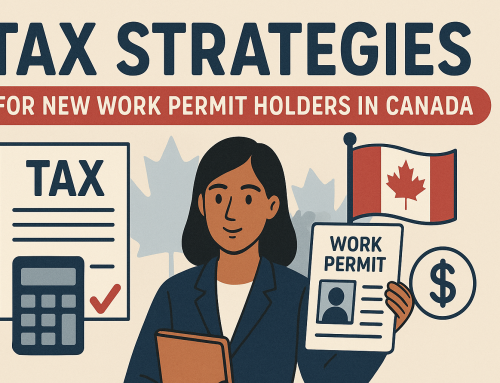





Being an employee comes with its own set of tax advantages. You have the opportunity to deduct specific work-related expenses from your taxable income, which can lead to a reduced tax liability.
- Canada Employment Credit: Every employed individual has the right to claim the Canada Employment Credit. It’s a tax deduction that you should include in your annual tax return. The maximum credit you can claim under this is $1,127.
- Deductions for Public Transit: If your daily commute involves public transportation, you’re in luck. The expenses incurred for public transit passes can be claimed as a tax credit. However, ensure you retain all receipts and passes for verification purposes. The eligible passes for this deduction are:
- Weekly passes, but only if you purchase them consecutively for a minimum of 4 weeks and each pass offers unrestricted travel for a minimum of 5 days.
- Monthly and annual passes that offer unrestricted travel.
- Electronic payment cards.
- Medical Expense Deductions: A significant number of individuals overlook the medical expenses tax credit. This includes the premiums you pay for medical benefits under a group benefits scheme. These premiums are typically auto-deducted from your salary, making them easy to miss. Your paystubs should reflect the total premium amount you’ve paid for medical benefits. Retain these paystubs for verification, especially if audited by the CRA.
- Charitable Contributions on T4 Slip: Donations made to registered charitable organizations can earn you a tax credit. If you’ve made any charitable contributions through your workplace, you’ll find the donated amount in Box 46 of your T4 slip. Moreover, donations made outside of your job to registered charities can also be claimed. Ensure you provide all donation receipts to your tax consultant.
Key Takeaway: To make the most of your tax return, ensure you claim all work-related expenses. This can significantly boost your tax refund.
Share This Story
Recent Posts
 How to Prepare a T5 Slip in Canada: A Complete CRA Filing Guideline
 How to Plan Your Estate in Canada: Simple Steps for Families
 Death Taxes Canada: How RRSPs, RRIFs & Final Returns Are Taxed
 Canadian End of Year Payroll Checklist: Your Ultimate Guide
 Tax Strategies for New Work Permit Holders in Canada