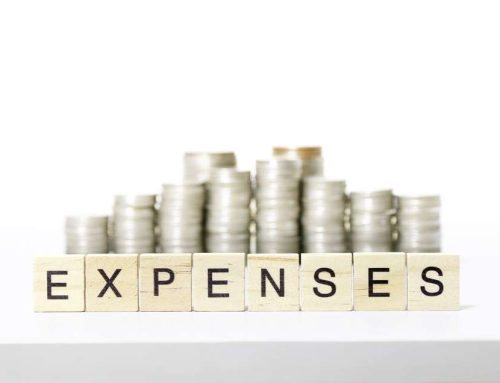





- Medical professionals, particularly doctors, frequently move to start their residency or to begin their practice post-residency. One of the prevalent queries they have pertains to how they should handle their moving expenses. The good news is that if you’re relocating in relation to starting work, either as an employee or as a self-employed individual, you can generally deduct your moving expenses. However, there are certain criteria to meet for this deduction:
- The distance between your previous residence and your new workplace should be at least 80 kilometers more than the distance between your old residence and your previous job location.
- For those who didn’t have a prior job location, the distance between their former residence and the new job location should be a minimum of 40 kilometers.
If you satisfy the above conditions, you and your family can deduct the following expenses:
- Travel Expenses: This includes costs related to lodging and meals from the old residence to the new one. You have the option to deduct either the actual costs of operating and owning a vehicle (with proper documentation) or a standard mileage rate (for instance, 55per kilometer in 2014), in addition to parking fees and tolls.
- Household Goods & Personal Effects: This covers expenses like packing, crating, transporting, storing (for any consecutive 30-day period post-move), and insuring. The deduction can also encompass costs for connecting and disconnecting utilities, as well as shipping cars and household pets.
- Temporary Living Expenses: This pertains to costs for meals and temporary accommodation near the old or new location, but it’s capped at 15 days.
- Old Residence Expenses: This includes costs related to selling the old residence, breaking the old lease, and maintaining the old residence before its sale.
- New Residence Expenses: If you sell your old residence, you can deduct expenses related to purchasing a new one.
Share This Story
Recent Posts
 How to Prepare a T5 Slip in Canada: A Complete CRA Filing Guideline
 How to Plan Your Estate in Canada: Simple Steps for Families
 Death Taxes Canada: How RRSPs, RRIFs & Final Returns Are Taxed
 Canadian End of Year Payroll Checklist: Your Ultimate Guide
 Tax Strategies for New Work Permit Holders in Canada