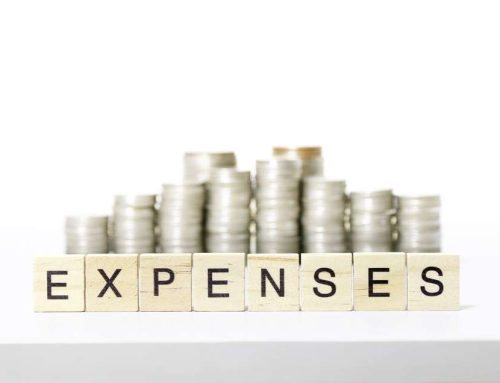





Receiving a tax bill from the Canada Revenue Agency (CRA) can be daunting, especially for households where one spouse is a physician in the early stages of their practice. It’s not unusual for physicians in their first or second year of practice to face significant tax liabilities. This article explores why this happens and offers practical tips for managing and preventing future tax surprises.
Transition from Resident to Practicing Physician
As resident physicians, individuals receive a regular salary with taxes automatically deducted. However, the scenario changes once they start practicing. Most Canadian physicians are self-employed, billing health services on a fee-for-service basis. This income, which also covers professional expenses, does not have taxes withheld at source, placing the onus of tax calculation and payment on the physician.
Tax Responsibilities for Self-Employed Physicians
Self-employed physicians must calculate and remit their personal income taxes. In some cases, they are required to make quarterly tax installment payments to the CRA. This is necessary if their net tax owing is above a certain threshold and was also above this threshold in one of the previous two years. New practitioners might not have to make installment payments in their first year, but they could face a substantial tax bill when filing their return.
The Importance of Timely Tax Payment
Ignoring tax debt is not a solution. Delayed payments can accrue significant interest charges. For instance, the CRA charges compound daily interest on overdue taxes. Additionally, late filing and payment can result in penalties, impacting other financial decisions like loan applications or mortgage refinancing.
Strategies for Managing Tax Debt
- Proactive Communication: Engage in direct communication with the CRA for clarifications and to discuss repayment plans.
- Consider Borrowing: If necessary, borrowing funds to pay taxes might be an option. Compare the interest costs between the loan and the CRA charges.
- Financial Planning: Consult with a financial advisor to develop strategies for debt repayment and saving for future tax payments. This approach helps in managing tax obligations more efficiently and avoids surprises during tax season.
Conclusion
While owing taxes can be stressful, proper planning and understanding of tax obligations can significantly ease the burden. It’s crucial to stay informed and seek professional advice when needed to navigate the complexities of tax payments for physician households.
Share This Story
Recent Posts
 How to Prepare a T5 Slip in Canada: A Complete CRA Filing Guideline
 How to Plan Your Estate in Canada: Simple Steps for Families
 Death Taxes Canada: How RRSPs, RRIFs & Final Returns Are Taxed
 Canadian End of Year Payroll Checklist: Your Ultimate Guide
 Tax Strategies for New Work Permit Holders in Canada