



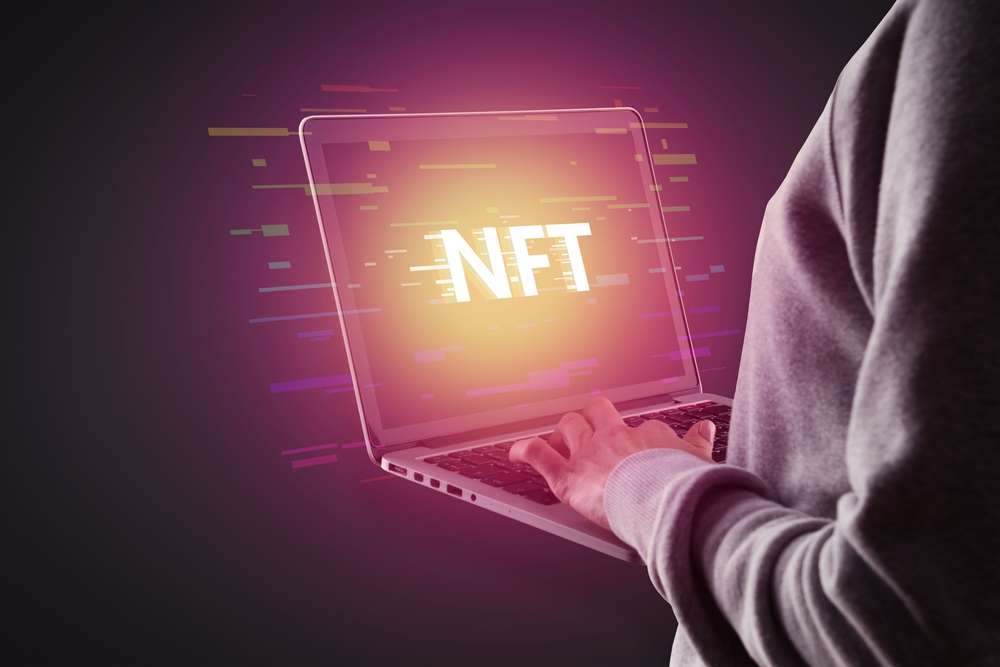
Digital Assets and NFTs The digital asset landscape, encompassing blockchain-based currencies, utility tokens, security tokens, and other virtual currencies, is rapidly evolving. Among these, non-fungible tokens (NFTs) are gaining significant traction. Here’s a breakdown of what NFTs are and their implications.
Understanding NFTs NFTs, or non-fungible tokens, are unique data units on a blockchain. Unlike regular cryptocurrencies that are interchangeable, each NFT is distinct and cannot be replaced by another. This uniqueness means they can’t be exchanged on a one-for-one basis. NFTs can represent anything from text documents to movies and even tangible items. Their uniqueness stems from the data they contain and the verification of rightful ownership.
Why the Hype Around NFTs? In 2020, the term “NFT” might have drawn blank stares. Fast forward to 2022, and it’s a buzzword. The surge in interest is evident from the exponential increase in Google searches and tweets about NFTs. OpenSea, a leading NFT marketplace, witnessed its revenues soar from $325 million to $3 billion in just a month in 2021.
What Sets NFTs Apart? NFTs are unique tokens often linked to a specific asset. They can verify ownership of both digital and tangible assets. While fungible tokens like coins have consistent value, non-fungible tokens, such as concert tickets, are indivisible and unique.
Uses of NFTs NFTs can represent a variety of digital assets, from virtual land parcels to artworks. They are traded on NFT marketplaces, with some cryptocurrency exchanges also venturing into this space.
Supply & Demand Dynamics The price of NFTs, like any other commodity, is governed by supply and demand. Some NFTs have a capped supply, leading to increased prices due to limited availability.
How Do NFTs Function? NFTs operate on blockchain networks, primarily Ethereum. Once purchased, they are stored in digital wallets, and their value can fluctuate based on rarity. The blockchain ensures transparency and legitimacy of the asset’s history.
Tax Implications in Canada In Canada, while buying an NFT isn’t taxable, selling one is. Depending on the nature of the NFT transaction, it can be taxed as business income or capital gains.
Investing in NFTs in Canada For Canadians interested in NFTs:
- Purchase Ether (ETH) on a crypto trading platform.
- Fund your account using various methods like Interac e-Transfer.
- Buy ETH.
- Transfer ETH to your preferred NFT marketplace.
- Make purchases using ETH.
NFTs’ Impact on Various Industries NFTs are disrupting traditional industries, from gaming and music to real estate. Their potential applications are vast, including verifying ownership of disputed items like land titles or antiques.
Conclusion NFTs offer an exciting avenue for collectors. However, they should not replace traditional savings or investment methods. It’s essential to be aware of the tax implications in Canada when dealing with NFTs. If you’re actively involved in the NFT market, consider consulting a professional income tax accountant to navigate the intricate tax landscape.
Share This Story
Recent Posts
 How to Prepare a T5 Slip in Canada: A Complete CRA Filing Guideline
 How to Plan Your Estate in Canada: Simple Steps for Families
 Death Taxes Canada: How RRSPs, RRIFs & Final Returns Are Taxed
 Canadian End of Year Payroll Checklist: Your Ultimate Guide
 Tax Strategies for New Work Permit Holders in Canada