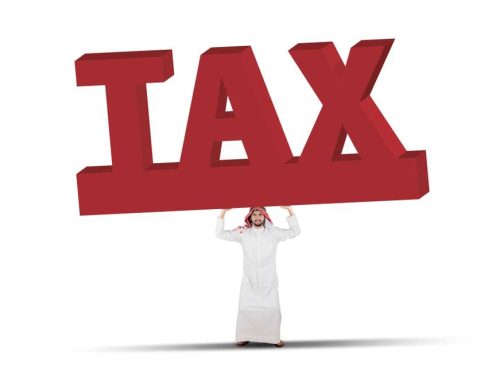





Navigating the complexities of compensation plans for Canadian corporations can be a daunting task for business owners. It’s vital to align your compensation strategy with both your personal and business objectives, considering the diverse nature of businesses ranging from retail to professional practices like law and medicine.
Key Considerations in Compensation Planning
For Canadian business owners, it’s crucial to balance personal financial goals with the implications of personal and corporate taxes in Canada. This process involves understanding compensation planning and conducting annual reviews to ensure alignment with your company’s objectives.
Components of a Robust Compensation Plan
A comprehensive compensation plan may include:
- Salary and Bonuses
- Expense Reimbursements
- Corporate Pension Plans (PPP and IPP)
- Dividends (Eligible and Regular)
- Contributions to Registered Retirement Savings Plan (RRSP) and Tax-Free Savings Account (TFSA)
- Retaining after-tax business income within the corporation
Salary vs. Dividends: A Strategic Decision
Compensation planning is more than just deciding how to pay employees; it’s about creating a framework that attracts, retains, and motivates, while aligning with the company’s goals. For small and medium-sized business owners in Canada, this often means balancing between taking a salary and receiving dividends.
Tax Implications and Deferred Compensation Plans
Understanding the tax implications of different compensation types, including deferred compensation plans, is essential. These plans allow employees to defer part of their compensation, impacting taxation and overall financial planning.
Funding Your TFSA with Corporate Income
Businesses can contribute to a TFSA as part of their compensation strategy. It’s important to assess the amount of business income available after taxes and understand the contribution room based on age, residency status, and past contributions.
RRSP Contributions: Investing in Your Future
To contribute to an RRSP, you need sufficient contribution room, which is based on your earned income. Salary income from your corporation can help create this room, unlike dividends.
Leaving After-Tax Business Income in Your Corporation
Retaining after-tax income within your corporation can offer tax deferral advantages, allowing for increased investment income over time. This strategy requires understanding the tax implications and rates for different types of income in Canada.
Understanding Canadian Tax Rates for Various Income Types
Tax rates in Canada vary for different income types, including SBD Income, General Income, personal income, capital gains, and dividends. These rates are crucial for effective financial planning.
FAQs on Compensation Planning
- Annual Compensation Planning Cycle: This involves planning, reviewing, and adjusting employee compensation annually, aligning with organizational objectives.
- Calculating Annual Compensation: Consider all forms of income, including salary, bonuses, dividends, and reimbursements.
- Common Compensation Plans: Typically, these include a base salary plus benefits and dividends for shareholders.
- Taxability of Compensation: Most forms of compensation are taxable, with specific treatments varying by jurisdiction.
- Implementing a Compensation Plan: This involves defining objectives, conducting job analysis and market research, and evaluating job roles.
- Components of a Compensation Plan: A comprehensive plan should include job analysis, base salary, incentives, benefits, policies, communication, and regular review.
Share This Story
Recent Posts
 How to Prepare a T5 Slip in Canada: A Complete CRA Filing Guideline
 How to Plan Your Estate in Canada: Simple Steps for Families
 Death Taxes Canada: How RRSPs, RRIFs & Final Returns Are Taxed
 Canadian End of Year Payroll Checklist: Your Ultimate Guide
 Tax Strategies for New Work Permit Holders in Canada