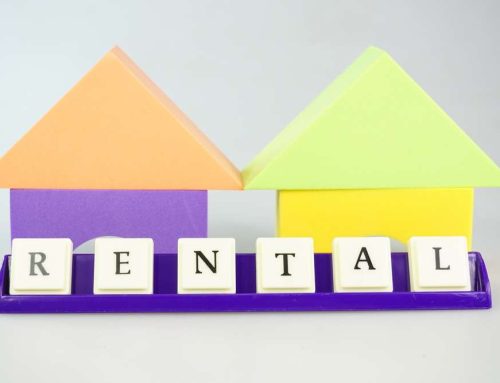





Maximizing Wealth Through Smart Real Estate Strategies: A Guide to Preserving Your Home’s Principal Residence Exemption
As an experienced real estate investor and a Chartered Accountant, I’ve navigated the complex journey from a well-compensated university graduate to a savvy investor, inspired by the principles in Robert Kiyosaki’s “Rich Dad Poor Dad.” This transformation was not just about earning more but about smartly managing and investing my earnings. Like many, I found myself in the classic ‘middle class’ trap, earning a good salary but living paycheck to paycheck. This realization led me to a pivotal change in my approach to real estate investment, particularly focusing on the Canadian tax implications and the strategic use of the principal residence exemption.
Initially, my assets, including a luxurious car and an executive townhouse in Toronto, were not generating any income. They were, in essence, liabilities. The turning point came when I decided to refinance my townhouse to invest in a student rental property. Additionally, I chose to rent out my townhouse, which started to bring in a significant rental income. My current residence, a detached home with a walkout basement, is also partially rented out. This strategic shift transformed these liabilities into income-producing assets, a crucial step in wealth accumulation.
The concept of renting out parts of your primary residence, such as a basement, is increasingly popular among homeowners. However, it’s essential to understand the tax implications in Canada, especially regarding the principal residence exemption. This exemption is a vital tax benefit, allowing homeowners to avoid capital gains tax on the sale of their primary residence. To qualify, the property must be “ordinarily inhabited” by the taxpayer or their family, and only one property per family unit can be claimed as the principal residence each year.
When you rent out a part of your home, it’s considered a partial change in use by the Canada Revenue Agency (CRA). If structural changes are made to facilitate this rental, a deemed disposition of that portion of the house occurs. Fortunately, this is typically sheltered by the principal residence exemption, meaning no immediate tax is payable. However, it’s crucial to note that claiming capital cost allowance (CCA) on this portion can lead to a tax liability on the capital gains.
In my case, no structural changes were made to our home to create the rental space, and the rental income was secondary to the property’s primary use as a residence. Therefore, we did not claim any CCA, ensuring the preservation of our home’s principal residence status for tax purposes.
For homeowners looking to follow a similar path, it’s essential to balance the benefits of generating rental income with the need to maintain the tax-exempt status of your principal residence. This requires careful planning and, often, professional advice. By converting parts of your home into income-generating spaces, you can significantly enhance your financial stability and growth. However, it’s crucial to navigate these changes within the framework of tax regulations to ensure you’re making the most tax-efficient decisions.
In conclusion, transforming liabilities into assets is a powerful strategy for wealth creation in real estate. By understanding and leveraging tax exemptions like the principal residence exemption, you can maximize your investments while ensuring compliance with tax laws. This approach not only boosts your income but also enhances the value of your property, setting a solid foundation for long-term financial success.
Share This Story
Recent Posts
 How to Prepare a T5 Slip in Canada: A Complete CRA Filing Guideline
 How to Plan Your Estate in Canada: Simple Steps for Families
 Death Taxes Canada: How RRSPs, RRIFs & Final Returns Are Taxed
 Canadian End of Year Payroll Checklist: Your Ultimate Guide
 Tax Strategies for New Work Permit Holders in Canada