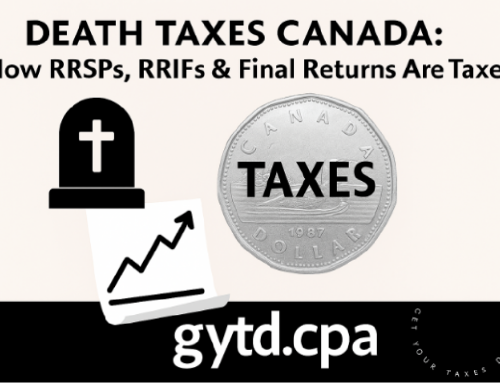





The Registered Retirement Savings Plan (RRSP) is a financial tool tailored for Canadians, especially those without a corporate pension scheme, to facilitate tax-advantaged retirement savings. Here are the key points:
- Purpose: The RRSP’s primary goal is to enable Canadians to save for their retirement in a tax-efficient manner.
- Tax Benefits: Contributions made to an RRSP are tax-deductible. Moreover, both the contributions and any earnings on them remain untaxed until they are withdrawn.
- 2018 Contribution Deadline: For the year 2018, the deadline to contribute to an RRSP was March 1, 2019.
- Contribution Limits: For 2018, the maximum contribution to an RRSP is the lesser of:
- 18% of the contributor’s income from the previous year (this includes wages, salary, and income from self-employment).
- $26,230.
- If you don’t utilize the full contribution limit in a particular year, the unused portion can be carried forward, allowing for larger contributions in subsequent years.
- Special Withdrawals:
- First-time homebuyers can withdraw up to $25,000 from their RRSP.
- For higher education expenses, up to $10,000 can be withdrawn annually, with a total limit of $20,000.
- It’s essential to note that these withdrawn amounts need to be repaid to the RRSP within specific periods: 15 years for first-time homebuyers and 10 years for education expenses.
- Finding Your Contribution Limit: Your RRSP contribution limit for 2018 can be located through the CRA My Account, on your most recent Notice of (Re)Assessment, or by reaching out to CRA at 1-800-959-8281.
- Exceeding Contribution Limits: Over-contributing to your RRSP can lead to penalties. Any amount exceeding the contribution limit will incur a 1% penalty per month until the excess is withdrawn.
- Transition to RRIF: By the end of the year in which you turn 71, your RRSP must be converted into a Registered Retirement Income Fund (RRIF). The following year, you’ll need to start making the mandated minimum distributions.
- Upon Death: In the event of death, any undistributed amounts from an RRSP or RRIF can either be transferred to a spouse or will be considered as income in the year of death.
- Considerations for Physicians: RRSPs tend to be more beneficial for physicians with higher incomes (above $150,000) due to the larger tax deductions against higher incomes. For physicians in lower tax brackets, it’s crucial to evaluate the RRSP’s tax benefits concerning anticipated income in the coming years, the expected tax bracket during retirement, and potential reductions in benefits like the old age security claw back due to retirement income.
Share This Story
Recent Posts
 How to Prepare a T5 Slip in Canada: A Complete CRA Filing Guideline
 How to Plan Your Estate in Canada: Simple Steps for Families
 Death Taxes Canada: How RRSPs, RRIFs & Final Returns Are Taxed
 Canadian End of Year Payroll Checklist: Your Ultimate Guide
 Tax Strategies for New Work Permit Holders in Canada