



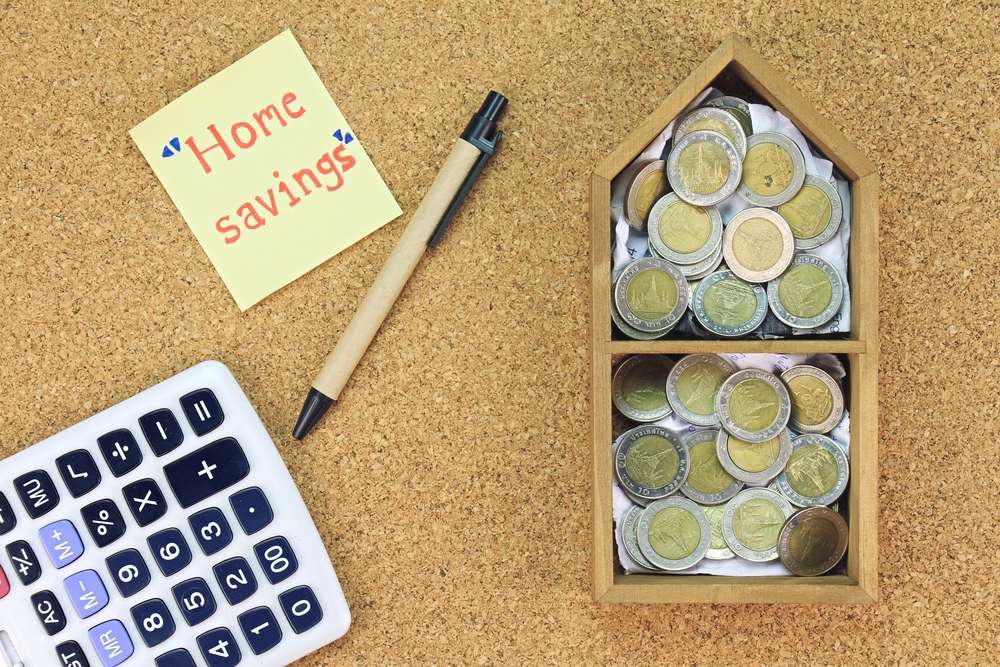
In 2022, a new initiative called the Tax-Free First Home Savings Account (FHSA) was unveiled. As of April 1, 2023, this program offers potential first-time homebuyers the chance to deposit up to $40,000 and avail tax deductions on the same, inclusive of the investment income generated within the account.
Eligibility for FHSA:
- Must be a Canadian resident.
- Must be 18 years or older.
- Neither you nor your spouse/common-law partner should have owned a home in the year the FHSA is initiated or in the preceding four years.
Contribution Details:
- Eligible Canadians can deposit a maximum of $8,000 annually, with a total limit of $40,000 over their lifetime.
- The carry forward begins only after the FHSA account is initiated. This is different from the Tax-Free Saving Account (TFSA), where the limit accrues annually regardless of account activation.
- Once the account is active, any unused contributions will roll over to subsequent years. The maximum participation duration concludes 15 years post the account’s initiation.
Contribution Sources:
- Only the account holder can deposit into the FHSA.
- However, funds gifted by a spouse or family member can be used to contribute to one’s FHSA without any attribution rules.
Withdrawal Guidelines:
- The entire original investment, along with any profits, can be utilized for buying a qualified home.
- Withdrawals for purposes other than buying a qualifying home are taxable.
- If both you and your spouse/common-law partner are purchasing a qualified home, funds from each individual’s FHSA can be combined, effectively doubling the available amount.
Comparing FHSA with the First-Time Home Buyer Plan (HBP):
- The HBP permits individuals to extract up to $35,000 from their RRSP account for their first home purchase. This amount must be reimbursed within 15 years.
- In contrast, the FHSA, in theory, has no such limit. The initial $40,000, along with any investment returns, can be used for buying a qualified home. Moreover, there’s no obligation to repay the amount withdrawn from the FHSA.
- Notably, taxpayers can now leverage both the FHSA and HBP for the same qualifying home.
Share This Story
Recent Posts
 How to Prepare a T5 Slip in Canada: A Complete CRA Filing Guideline
 How to Plan Your Estate in Canada: Simple Steps for Families
 Death Taxes Canada: How RRSPs, RRIFs & Final Returns Are Taxed
 Canadian End of Year Payroll Checklist: Your Ultimate Guide
 Tax Strategies for New Work Permit Holders in Canada