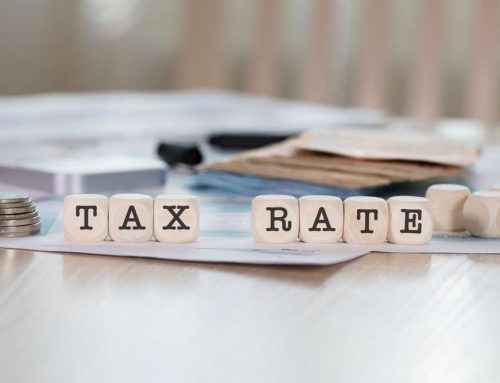





Key Factors Leading to a CRA Audit
- High-Risk Taxpayer Categories: These include individuals previously found non-compliant in audits, self-employed persons, those with offshore assets, and businesses with high cash transactions (like bars, restaurants, contractors).
- Tax Audit Projects: The CRA may target specific groups for audits to assess compliance levels.
- Software Parameters: CRA’s software detects discrepancies in tax returns by comparing current data with past returns and demographic information.
- Investigations and Connected Returns: Those under criminal investigation or previously audited, as well as connected tax returns, are at a higher risk of being audited.
Tax Reporting Behaviors That Attract Audits
- Underreporting Income: Discrepancies between reported income and previous returns or industry standards.
- Lifestyle and Income Mismatches: Inconsistencies between lifestyle, asset values, and reported income.
- GST/HST Inconsistencies: Reporting different amounts on GST/HST returns.
- Continual Business Losses: Reporting losses over several years can raise flags.
- High Charitable Donations: Disproportionately high donations compared to income.
- Incomplete T-Slip Reporting: Missing income from T-slips (T4, T5, etc.) in the tax return.
- Corporate Loans to Shareholders: Regular or unrepaid loans can appear as unreported income.
- High Home-Based Business Expenses: Expenses significantly higher than industry norms.
The CRA Audit Process
- Initial Contact: Taxpayers are notified of the audit through a letter, which may request preliminary information.
- Document Review: The CRA auditor examines provided documents and financial records, both personal and business-related.
- Discussion of Discrepancies: The auditor discusses any inconsistencies found with the taxpayer.
- Audit Outcome: The audit can result in either no reassessment or a recommendation for reassessment. Taxpayers have 30 days to dispute the findings.
Recommendations
- Seek Professional Advice: If notified of an audit, it’s advisable to consult with a CPA for preparation and representation.
- Documentation and Compliance: Ensure all financial records are accurate and complete to avoid potential triggers for an audit.
Understanding these triggers and the audit process can help taxpayers stay compliant and prepared for any CRA audits.
Share This Story
Recent Posts
 How to Prepare a T5 Slip in Canada: A Complete CRA Filing Guideline
 How to Plan Your Estate in Canada: Simple Steps for Families
 Death Taxes Canada: How RRSPs, RRIFs & Final Returns Are Taxed
 Canadian End of Year Payroll Checklist: Your Ultimate Guide
 Tax Strategies for New Work Permit Holders in Canada