



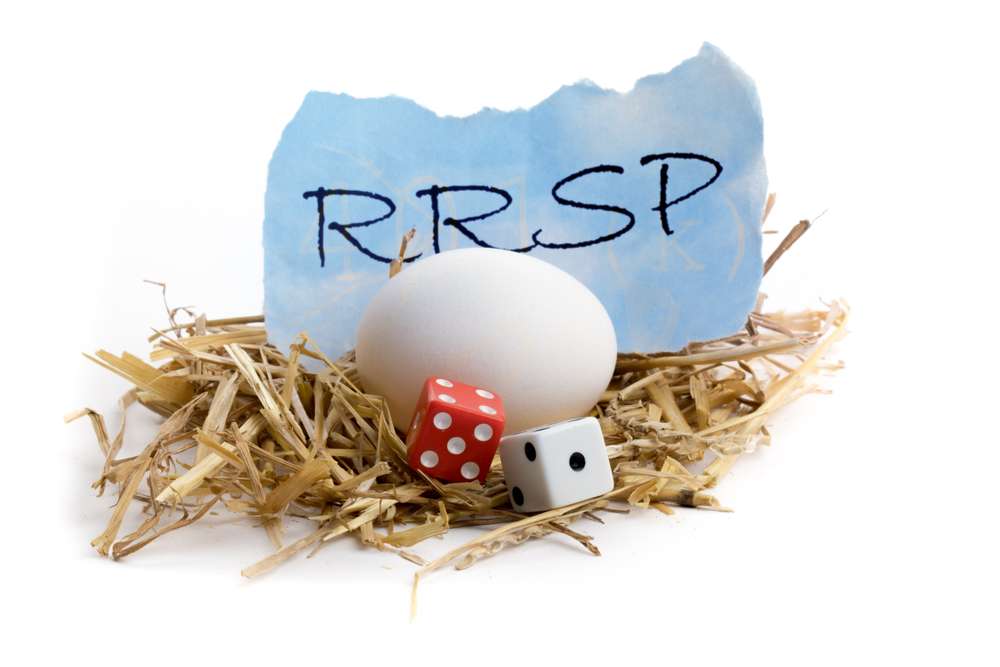
The Registered Retirement Savings Plan (RRSP) is a government-sanctioned savings scheme primarily designed for retirement savings. Here’s a breakdown of its features and benefits:
- Key Advantages of RRSP:
- Contributions are tax-deductible, leading to a reduced tax bill.
- No tax is levied on the income generated as long as it stays within the RRSP.
- During retirement, you can withdraw the funds, typically when you’re in a lower tax bracket.
- Permissible Investments:
- Cash, gold and silver bars, GICs, savings bonds, T-bills, bonds, mutual funds, ETFs, both Canadian and foreign stocks, and income trusts.
- Eligibility:
- Anyone with a “contribution room” in Canada, including non-residents.
- You can contribute up to the age of 71, provided you have a contribution room.
- A tax return is necessary for the Canada Revenue Agency (CRA) to determine your contribution room, which is based on “earned income”.
- Contribution Limit:
- The CRA sets your RRSP deduction limit, which is the lesser of:
- 18% of the previous year’s reported earned income.
- The annual RRSP limit (e.g., $29,210 for 2022 and $30,780 for 2023).
- Unused limits can be carried forward.
- Spousal RRSP:
- You can contribute to an RRSP in your spouse’s name and still avail the tax deduction. This is a valuable income-splitting tool for couples with disparate incomes.
- Self-directed RRSP:
- This allows you to manage your RRSP investments rather than relying on a bank.
- Contribution Deadline:
- Contributions can be made anytime during the year or up to 60 days into the subsequent year.
- Over Contribution:
- Over-contributions up to $2,000 are not penalized, but amounts beyond this are subject to a 1% monthly penalty.
- Withdrawals:
- You can withdraw from your RRSP anytime unless it’s a locked-in plan. Withdrawals are subject to withholding tax and must be declared as income during tax filing.
- Mandatory withdrawals are required after December 31 of the year you turn 71.
- Withdrawal Options at Maturity:
- Cash withdrawal: Withdraw all funds as a lump sum, subject to withholding tax.
- Convert RRSP to RRIF: Transition your RRSP to a Registered Retirement Income Fund (RRIF) for a consistent retirement income.
- Purchase an annuity: Convert your RRSP to an annuity for guaranteed income.
- Exceptions:
- Withdrawals for the Home Buyers’ Plan or the Lifelong Learning Plan are exempt from withholding tax if repaid within the stipulated timeframe.
- RRSP After Death:
- Upon the death of an RRSP holder, the assets are deemed disposed of at market value. If no beneficiary is designated, the value becomes part of the estate. Naming a spouse or common-law partner as a beneficiary allows for a tax-deferred rollover.
Share This Story
Recent Posts
 How to Prepare a T5 Slip in Canada: A Complete CRA Filing Guideline
 How to Plan Your Estate in Canada: Simple Steps for Families
 Death Taxes Canada: How RRSPs, RRIFs & Final Returns Are Taxed
 Canadian End of Year Payroll Checklist: Your Ultimate Guide
 Tax Strategies for New Work Permit Holders in Canada