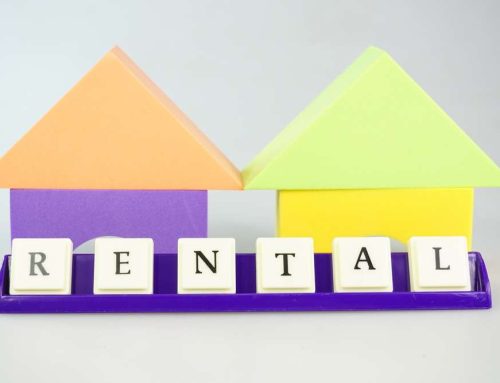





Property flipping in Canada is a popular real estate investment strategy, but many investors overlook the crucial aspect of taxation, leading to costly errors. This comprehensive guide aims to demystify the tax implications of property flipping in Canada, ensuring investors are well-informed and compliant.
- Debunking Tax Myths in Property Flipping
A common misconception among property flippers is that only half of the profit from the sale of a property is taxable. This is not the case. In reality, if the property was not purchased with the intention of renting it out, the entire profit from a quick flip is subject to tax as income. For instance, if you make a $100,000 profit, this entire amount is taxable. In provinces like Ontario, with a high marginal tax rate, nearly half of this profit could go to taxes if reported incorrectly.
- Different Types of Property Flips and Their Tax Implications
Property flipping can take various forms, each with its own tax considerations:
- Assignment Flips: This involves transferring the contract of a property to another buyer before the closing date.
- Preconstruction Home Sales: Buying a property from a developer before completion and selling it for profit.
- Land Flips: Involves purchasing land and selling it quickly without making improvements.
- Renovation Flips: Buying a property, renovating it, and selling it for a profit.
- Wholesaling: Acquiring a property below market value and quickly selling it to an investor.
- The CRA’s Anti-Flipping Rule
As of January 1, 2023, the Canada Revenue Agency (CRA) has implemented an anti-flipping rule. If a property is sold within a year of purchase, the profit is considered business income, except under certain conditions. The CRA evaluates several factors to determine if a sale qualifies as a flip or a long-term capital gain.
- Taxation of Flipping Profits
- Personal Flips: The net profit is taxed as personal income.
- Corporate Flips: Profits are taxed as active business income at a lower corporate rate.
- Handling Losses
Losses from property flips can be used to offset other personal income if held personally. In a corporation, these losses can be applied against other income or carried over to other years.
- Strategies to Minimize Tax Liabilities
- Incorporation: Using a corporation for flips can offer tax deferral and legal protection.
- Expense Deductions: Deduct eligible expenses like repairs, maintenance, and interest.
- Professional Consultation: Engage a tax professional for tailored strategies.
- Key Tax Deductions for Property Flippers
Flippers can reduce their tax burden by claiming various deductions such as acquisition costs, carrying costs, material and labor costs, automobile expenses, advertising, home office expenses, and closing costs.
Conclusion
Property flipping in Canada can be lucrative, but it’s crucial to understand the tax implications to avoid surprises and maximize profits. Whether you’re a seasoned investor or new to the game, it’s advisable to consult with a tax professional to navigate the complex tax landscape effectively. This will ensure you’re making the most of your investments while staying compliant with Canadian tax laws.
Share This Story
Recent Posts
 How to Prepare a T5 Slip in Canada: A Complete CRA Filing Guideline
 How to Plan Your Estate in Canada: Simple Steps for Families
 Death Taxes Canada: How RRSPs, RRIFs & Final Returns Are Taxed
 Canadian End of Year Payroll Checklist: Your Ultimate Guide
 Tax Strategies for New Work Permit Holders in Canada